Best Safari Holidays from the UK: Kenya, Tanzania and Botswana for 2026

Best Safari Holidays from the UK: Kenya, Tanzania and Botswana for 2026
A safari is the kind of holiday that changes the way you see the world. Watching a herd of elephants cross the savanna at sunset, hearing a lion roar at dawn, or spotting a leopard draped across a tree branch are experiences that stay with you forever. For UK travellers, East and Southern Africa offer some of the finest wildlife viewing on the planet, and 2026 is a brilliant year to go. Here is your guide to choosing and booking the perfect safari.
Why Choose a Safari Holiday
Safari holidays offer something no other type of travel can match: genuine encounters with wild animals in their natural habitat. There is no glass barrier, no enclosure, and no predictability. Every game drive is different, and the thrill of spotting the Big Five (lion, leopard, elephant, buffalo, and rhino) never fades, whether it is your first safari or your fifth.
Beyond the wildlife, safari destinations deliver stunning landscapes, rich cultures, and a sense of disconnection from everyday life that feels genuinely restorative. Many lodges and camps are located in remote wilderness areas with no phone signal and no distractions, just the sounds of the bush and a sky full of stars.
Kenya: The Classic Safari Experience
Kenya is where the modern safari was born, and it remains one of the most popular destinations for UK travellers. The Masai Mara National Reserve is the crown jewel, home to extraordinary concentrations of wildlife year-round and the dramatic Great Migration river crossings between July and October.
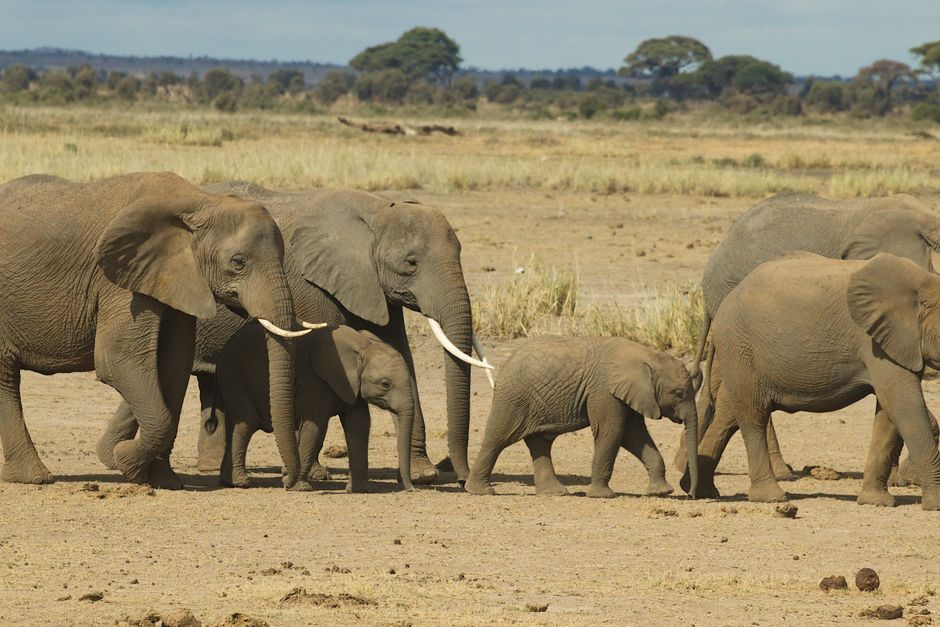
Amboseli National Park offers iconic views of elephants against the backdrop of Mount Kilimanjaro. Tsavo East and West together form one of the largest wildlife areas in the world, with fewer tourists and excellent big cat sightings. Samburu National Reserve in the north is the place to see rare species like Grevy's zebra, reticulated giraffe, and the Somali ostrich.
Kenya is well-connected from the UK with direct flights from London to Nairobi taking around 8.5 hours. Internal flights to the Mara and other parks are quick and affordable, making multi-destination itineraries straightforward. A week-long Kenya safari typically costs from 2,500 to 5,000 pounds per person depending on the level of accommodation.
Tanzania: Serengeti, Ngorongoro and Beyond
Tanzania arguably offers the most diverse safari experience in Africa. The Serengeti National Park is home to the Great Migration, where over two million wildebeest, zebra, and gazelle follow the rains in a vast circular route. Witnessing this spectacle is one of the greatest wildlife events on Earth.
The Ngorongoro Crater is a collapsed volcanic caldera that creates a natural amphitheatre teeming with wildlife. The crater floor supports around 25,000 large animals including black rhino, making it one of the best places in Africa to see all of the Big Five in a single day.
Tarangire National Park is famous for its enormous elephant herds and ancient baobab trees, while the lesser-known Ruaha National Park in the south offers a wilder, more exclusive experience with outstanding predator sightings.
Combine your Tanzanian safari with a few days on the beaches of Zanzibar for the perfect bush-and-beach combination. It is one of the most popular add-ons for UK travellers and makes for an unforgettable honeymoon holiday.

Botswana: Exclusive Wilderness at Its Finest
Botswana takes a different approach to tourism: low volume, high value. The country limits visitor numbers to protect its pristine wilderness, which means fewer crowds and a more exclusive experience. You pay more, but the quality is exceptional.
The Okavango Delta is one of Africa's most remarkable ecosystems. This inland delta floods annually, creating a labyrinth of channels, lagoons, and islands that attract huge numbers of wildlife. Game viewing by mokoro (traditional canoe) is a uniquely Botswanan experience.
Chobe National Park is home to the largest elephant population in Africa, estimated at over 100,000. River cruises on the Chobe River offer spectacular viewing as herds come to drink at sunset. Moremi Game Reserve within the Okavango Delta combines water and land safaris for outstanding diversity.
Botswana is best suited to travellers seeking a premium experience. Most camps accommodate just 12 to 20 guests and include all meals, drinks, and activities. A week in Botswana typically starts from around 4,000 pounds per person and can reach 8,000 or more at the top end.
When to Go on Safari
The best time for safari varies by destination:
- Kenya (Masai Mara): July to October for the Great Migration river crossings. January to March for green season with newborn animals and fewer tourists.
- Tanzania (Serengeti): June to October for dry season viewing. January to February for the calving season in the southern Serengeti.
- Botswana (Okavango Delta): June to October when the flood waters are high and animals concentrate around water sources. November to March for green season birding.
The dry season (June to October) across all three countries generally offers the best wildlife viewing as animals gather around shrinking water sources. However, green season travel offers lower prices, lush landscapes, and excellent birding. An experienced Africa travel specialist can advise on the perfect timing for your priorities.
Practical Booking Tips for Your Safari
- Book 6 to 12 months ahead: The best safari lodges and camps have limited capacity and fill up fast, particularly during peak migration season.
- Consider a specialist travel consultant: Safari itineraries involve complex logistics including internal flights, transfers, and camp combinations. A consultant with Africa expertise saves you time and ensures you get the best experience.
- Budget for tips and extras: Tipping safari guides and camp staff is customary. Budget around 15 to 20 US dollars per person per day for your guide and similar for camp staff.
- Pack light: Internal flights to safari camps typically have a 15kg luggage limit in a soft bag. Leave the hard suitcase behind.
- Check vaccination requirements: Yellow fever vaccination is required for entry to Tanzania and may be needed for Kenya depending on your routing. Malaria prophylaxis is recommended for all three countries.
Frequently Asked Questions
How long should a safari holiday be?
A minimum of 5 to 7 nights on safari is recommended to see a good range of wildlife. Many travellers combine 7 to 10 safari nights with a beach extension in Zanzibar, the Kenyan coast, or Cape Town.
Is a safari safe for families with children?
Yes, many lodges and camps welcome families, though some have minimum age requirements (typically 6 to 12 years). Family-friendly options include private vehicle safaris and camps with dedicated children's programmes.
What is the difference between a lodge and a tented camp?
Lodges are permanent structures with hotel-style rooms. Tented camps use canvas tents (often very luxurious) that provide a more immersive bush experience. Both offer excellent comfort and service.
Do I need vaccinations for an African safari?
Yellow fever vaccination is required for Tanzania and may be needed for Kenya. Malaria prophylaxis is strongly recommended for all East and Southern African safari destinations. Consult your GP or a travel health clinic at least 6 weeks before departure.
Can I combine a safari with a beach holiday?
Absolutely. Kenya pairs beautifully with the Indian Ocean coast or Zanzibar. Tanzania links perfectly with Zanzibar. Botswana can be combined with Cape Town or the Victoria Falls in neighbouring Zambia or Zimbabwe.
Ready to plan the safari of a lifetime? Contact a travel consultant who specialises in African safaris and can design your perfect itinerary.