Costa Rica Holidays from the UK: Beaches, Rainforests and Adventure Guide for 2026

Why Costa Rica Should Be Your 2026 Adventure Holiday Destination
Costa Rica has earned its reputation as one of the world's premier eco-tourism destinations, offering an incredible diversity of landscapes packed into a relatively small country. From pristine Caribbean and Pacific coastlines to misty cloud forests and active volcanoes, Costa Rica delivers adventures that nature lovers and thrill-seekers dream about. For UK travellers seeking something beyond traditional beach holidays, Costa Rica in 2026 promises the perfect blend of relaxation, wildlife encounters, and adrenaline-pumping activities.
The country's commitment to conservation is remarkable—over 25% of Costa Rica's land is protected in national parks and reserves. This dedication to preserving natural habitats means you'll encounter an astonishing array of wildlife, including sloths, monkeys, toucans, scarlet macaws, and sea turtles. Combined with the warm hospitality of the Costa Rican people and their famous "pura vida" lifestyle, you'll discover a destination that nourishes both adventure and the soul.

Best Beaches: Caribbean and Pacific Coastlines
Costa Rica boasts beaches on both the Caribbean and Pacific coasts, each offering distinct characteristics. The Caribbean coast, including the laid-back town of Puerto Viejo, features year-round surfable waves, Afro-Caribbean culture, and a relaxed vibe. The beaches here have golden sand and are backed by lush rainforest coming right down to the shore. Cahuita National Park offers excellent snorkelling on coral reefs teeming with tropical fish.
The Pacific coast presents more variety. The Nicoya Peninsula in Guanacaste is Costa Rica's driest region, offering reliably sunny weather from December to April—perfect for UK travellers escaping winter. Popular beach towns include Tamarindo (vibrant nightlife and excellent surfing), Playa Conchal (stunning white-sand beach), and Nosara (yoga retreats and wellness). Further south, Manuel Antonio combines beautiful beaches with rainforest trails where monkeys and sloths are commonly spotted.
For ultimate seclusion, the Osa Peninsula in the far south offers pristine beaches surrounded by some of Central America's last remaining lowland rainforests. This remote region is perfect for those seeking adults-only escapes in eco-lodges with exceptional wildlife viewing right from your terrace.
Rainforest Adventures and Wildlife Encounters
Costa Rica's rainforests are among the most biodiverse ecosystems on Earth. Monteverde Cloud Forest Reserve offers an otherworldly experience of walking through perpetually misty forests draped in mosses and epiphytes. The suspended bridges allow you to traverse the canopy at tree-top level, offering eye-level views of birds and monkeys. Early morning guided walks significantly increase your chances of spotting the resplendent quetzal, one of the world's most beautiful birds.
Tortuguero National Park on the Caribbean coast is accessible only by boat or plane, adding to its remote appeal. This network of canals winds through dense jungle where caimans, river otters, toucans, and three species of monkeys are commonly seen. Between July and October, you can witness green sea turtles nesting on the beaches—a truly magical nocturnal experience with certified guides.
For the best wildlife viewing, visit Corcovado National Park in the Osa Peninsula, which National Geographic once called "the most biologically intense place on Earth." Multi-day treks through primary rainforest offer chances to see all four Costa Rican monkey species, scarlet macaws, tapirs, and even jaguars if you're exceptionally lucky. Similar diverse ecosystems can be found in family-friendly destinations worldwide, though few match Costa Rica's accessibility and infrastructure.

Volcanoes and Geothermal Wonders
Costa Rica sits on the Pacific Ring of Fire, giving it numerous active volcanoes that create dramatic landscapes and natural hot springs. Arenal Volcano, though currently dormant, dominates the landscape near La Fortuna with its perfect cone shape. The region offers adventure activities including hanging bridges through the rainforest canopy, waterfall rappelling, and soaking in natural hot springs fed by geothermal activity.
Poás Volcano National Park features one of the world's largest active craters, with a stunning turquoise acidic lake that occasionally erupts in geyser-like displays. The park is easily accessible from San José, making it perfect for day trips. Rincón de la Vieja in Guanacaste offers a complete volcanic experience with bubbling mud pots, fumaroles, and hiking trails through diverse ecosystems from dry forest to cloud forest.
The geothermal hot springs around Arenal range from budget-friendly public pools to luxury resort spas. Tabacón Grand Spa features naturally heated pools and waterfalls set in manicured tropical gardens—the perfect way to soothe muscles after days of hiking and adventure.
Adventure Activities: Zip-Lining, Surfing, and White-Water Rafting
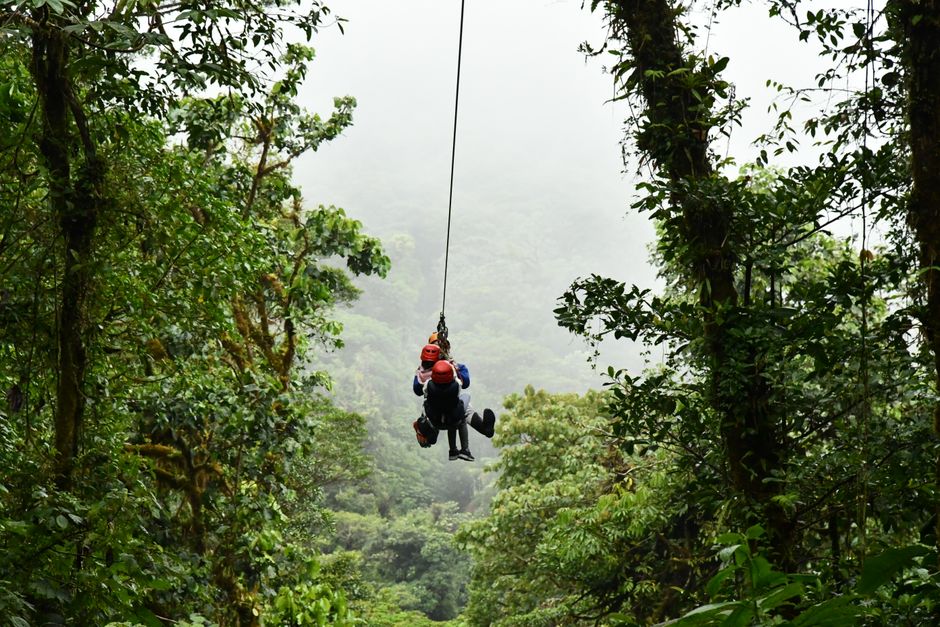
Costa Rica pioneered the concept of canopy zip-lining, and it remains one of the country's signature experiences. Monteverde offers some of the longest and highest zip-lines, including the famous "Superman" cable where you fly face-first through the cloud forest. Many eco-lodges and adventure parks offer zip-line canopy tours combined with other activities like Tarzan swings and rappelling.
The country's diverse coastline and consistent swells make it a surfing paradise for all levels. Beginners can learn on gentle beach breaks at Tamarindo or Jacó, while experienced surfers challenge themselves at Playa Grande, Pavones (one of the world's longest left-hand point breaks), and Witches Rock in Guanacaste. Many surf camps offer week-long packages combining lessons, accommodation, and yoga.
White-water rafting on the Pacuare River is considered one of the world's most scenic rafting experiences. The river carves through pristine rainforest with Class III-IV rapids (suitable for adventurous first-timers with guides) and calmer sections where you can spot toucans and monkeys on the riverbanks. Multi-day rafting trips include riverside camping in the jungle.
Planning Your Costa Rica Adventure from the UK
Flights from the UK to Costa Rica typically connect through the United States (Miami, Houston, or Atlanta) or European hubs like Madrid or Amsterdam. Total journey time is 14-18 hours including connections. Direct charter flights occasionally operate during peak season. Flight costs range from £600-£1,200 depending on season and advance booking.
The best time to visit depends on your priorities. The dry season (December to April) offers guaranteed sunshine, especially on the Pacific coast, but it's also peak tourist season with higher prices. The green season (May to November) brings afternoon rains that keep landscapes lush, fewer crowds, and better value—mornings are usually sunny, perfect for activities. The Caribbean coast has a different pattern, with the driest months being February-March and September-October.
Most visitors create multi-centre itineraries combining beaches, rainforest, and volcanoes. A typical two-week trip might include Arenal (volcano and hot springs), Monteverde (cloud forest), and Pacific beach time in Guanacaste or Manuel Antonio. Costa Rica's compact size means transfers between regions take just a few hours, though internal flights can save time for more distant locations.
Working with a specialist travel consultant ensures your itinerary flows logically and includes the right mix of adventure and relaxation for your group. Contact a YTC travel consultant who specialises in Central America adventures to craft your perfect Costa Rica experience for 2026.
Frequently Asked Questions
Is Costa Rica expensive to visit from the UK?
Costa Rica is moderately priced by Central American standards. Budget backpackers can manage on £30-£50 per day staying in hostels and eating locally. Mid-range travellers should budget £100-£150 per day for comfortable hotels, tours, and meals. Luxury eco-lodges and all-inclusive beach resorts can cost £200-£500+ per person per day.
Is Costa Rica safe for UK tourists?
Costa Rica is generally very safe and is one of the most stable countries in Central America. It has no army and invests heavily in education and healthcare. Standard precautions apply—don't leave valuables in rental cars, use hotel safes, and stick to well-travelled areas at night. Wildlife safety (respecting distance from animals) is more of a consideration than crime.
Do I need vaccinations for Costa Rica?
No vaccinations are legally required for UK travellers entering Costa Rica. However, the NHS recommends being up-to-date with routine vaccines and considering Hepatitis A, Typhoid, and (for certain regions) Yellow Fever. Consult your GP or a travel health clinic 6-8 weeks before departure.
What's the best way to get around Costa Rica?
Options include rental cars (4x4 recommended for rural areas), private transfers, shared shuttle services, domestic flights, and public buses. Many visitors combine methods—rental car for flexibility in some regions, private transfers for longer distances, and internal flights to save time reaching remote areas like the Osa Peninsula.
Can I see sloths and monkeys easily in Costa Rica?
Yes, wildlife viewing is remarkably accessible in Costa Rica. Manuel Antonio National Park almost guarantees monkey sightings, while sloths are commonly spotted in many locations including La Fortuna, Puerto Viejo, and Manuel Antonio. Hiring local guides dramatically increases your chances of finding and safely observing wildlife.