Cyprus Holidays from the UK: Paphos, Ayia Napa and Booking Tips for 2026

Cyprus has become one of the UK's favourite Mediterranean destinations, combining year-round sunshine, stunning beaches, fascinating ancient history, and excellent value for money. Whether you're looking for a relaxing beach holiday in Paphos, a lively resort experience in Ayia Napa, or a cultural escape exploring Roman mosaics and medieval castles, Cyprus offers something for every type of traveller.
From direct flights from most UK airports to British-friendly resorts with English-speaking locals, Cyprus makes holiday planning straightforward. This guide covers the best places to visit, when to go, what to expect, and essential booking tips for your 2026 Cyprus holiday.
Why Choose Cyprus for Your 2026 Holiday?
Cyprus stands out among Mediterranean destinations for several compelling reasons. The island enjoys over 300 days of sunshine annually, making it one of Europe's sunniest destinations. You'll find pristine Blue Flag beaches, crystal-clear waters perfect for swimming and snorkelling, and a warm welcome that reflects the island's reputation for hospitality.
The British connection runs deep here—English is widely spoken, the island drives on the left, and you'll find familiar comforts alongside authentic Cypriot culture. Flight times from the UK are just four and a half hours, with frequent services to both Paphos and Larnaca airports. Cyprus uses the Euro, making budgeting straightforward for most travellers.

Paphos: Culture, History and Relaxation
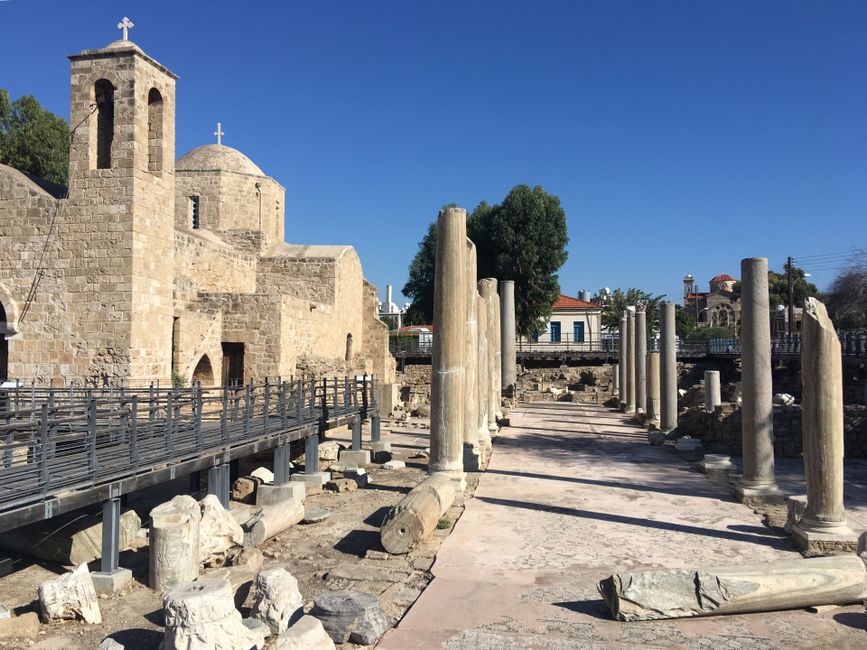
Paphos, on Cyprus's southwestern coast, perfectly balances beach relaxation with cultural exploration. This UNESCO World Heritage site offers some of the finest Roman and Byzantine archaeological treasures in the Mediterranean. The famous Paphos Mosaics at the House of Dionysus are remarkably well-preserved, depicting scenes from Greek mythology in intricate detail.
The harbour area provides the perfect setting for evening strolls, with waterfront tavernas serving fresh seafood and traditional meze. Nearby, the Tombs of the Kings—an impressive necropolis dating from the 4th century BC—offers a fascinating glimpse into ancient Cyprus. Coral Bay, just north of Paphos, features one of the island's most beautiful beaches with golden sand and shallow, calm waters ideal for families.
Paphos suits couples, families, and anyone seeking a more relaxed holiday pace. The resort developments blend seamlessly with local villages, giving you authentic experiences alongside modern comfort. For those interested in honeymoon destinations, Paphos offers romantic sunset views and boutique hotels perfect for couples.
Ayia Napa and Protaras: Beaches and Nightlife
On Cyprus's southeastern coast, Ayia Napa and neighbouring Protaras offer stunning beaches and lively atmospheres. Nissi Beach in Ayia Napa consistently ranks among Europe's best beaches, with powdery white sand and turquoise waters. The beach scene here is vibrant, with beach clubs, water sports, and a party atmosphere that attracts younger travellers and groups.
Fig Tree Bay in Protaras presents a slightly calmer alternative, perfect for families with its shallow waters and excellent facilities. The area boasts some of Cyprus's clearest waters, making it ideal for snorkelling and diving. Cape Greco National Park, located between the two resorts, offers dramatic coastal scenery, sea caves, and hiking trails with spectacular views.
Ayia Napa has evolved beyond its party reputation to offer diverse experiences. The recently opened Ayia Napa Sculpture Park showcases international contemporary art against Mediterranean backdrops, while the revamped harbour area features family-friendly restaurants and boutique shopping.
Limassol: The Cosmopolitan Choice
Cyprus's second-largest city combines urban sophistication with beach resort amenities. Limassol's marina development has transformed the waterfront into a chic destination with designer boutiques, gourmet restaurants, and luxury yacht moorings. The old town retains authentic character, with the medieval Limassol Castle housing a Cyprus Medieval Museum.
The city serves as an excellent base for exploring Cyprus's wine regions. The Troodos Mountains, just 40 minutes away, are home to picturesque mountain villages and traditional wineries producing distinctive Commandaria dessert wine. Limassol also hosts Cyprus's famous Carnival in February and the Wine Festival each September.
Limassol beaches extend for miles along the coast, with a mix of organised beach facilities and quieter stretches. Lady's Mile Beach, near the British Sovereign Base, offers seven kilometres of sandy shoreline with shallow waters.
Best Time to Visit Cyprus
Cyprus enjoys a Mediterranean climate with distinct seasonal advantages. Peak summer (July-August) brings guaranteed sunshine and temperatures averaging 30-35°C, perfect for beach holidays but potentially too hot for extensive sightseeing. Sea temperatures reach a comfortable 27°C, ideal for swimming and water sports.
Spring (April-May) and autumn (September-October) offer the ideal balance—warm weather averaging 25-28°C, fewer crowds, and lower prices. These shoulder seasons are perfect for combining beach time with cultural exploration. The sea remains warm enough for swimming well into November.
Winter (November-March) sees mild temperatures around 15-20°C with occasional rain. While not prime beach weather, winter is perfect for golf, hiking in the Troodos Mountains, and exploring archaeological sites without summer crowds. Many hotels offer significant discounts during this period. For diverse holiday timing options, explore our guide to family beach holidays across different seasons.

Cyprus Booking Tips for 2026
Book early for peak season: Summer holidays (July-August) and school holiday periods book up quickly. Securing your accommodation and flights 6-8 months ahead ensures the best selection and prices.
Consider all-inclusive options: Many Cyprus resorts offer excellent all-inclusive packages that provide great value, especially for families. These packages typically include meals, drinks, and children's activities, making budgeting easier.
Check package vs independent booking: Package holidays often provide better value than booking flights and hotels separately, particularly for peak dates. However, comparing both options is worthwhile, especially for off-peak travel.
Factor in transfer times: Paphos airport serves western resorts, while Larnaca airport serves eastern and southern destinations. Choose your arrival airport based on your resort location to minimise transfer times.
Consider villa rentals: For families or groups, renting a villa with a private pool can offer excellent value and flexibility. Many villas are located in traditional villages, providing authentic experiences.
ATOL protection is essential: Always book with ATOL-protected companies to ensure financial security. This protection is particularly important given the distance from the UK. Our ATOL protection guide explains what this covers.
Getting Around Cyprus
Car hire is highly recommended for exploring Cyprus independently. Roads are well-maintained, driving is on the left, and signage is in both Greek and English. Hiring a car allows you to discover hidden beaches, mountain villages, and archaeological sites at your own pace. Book car hire in advance for the best rates.
Public transport exists but is limited outside major towns. Taxis are readily available but can be expensive for longer journeys. Many hotels offer shuttle services to nearby attractions and beaches. For those staying in resort areas, much of what you need will be within walking distance.
Frequently Asked Questions
Do I need a visa to visit Cyprus from the UK?
UK passport holders do not need a visa for tourist stays up to 90 days in Cyprus. Ensure your passport is valid for the duration of your stay.
What currency does Cyprus use?
Cyprus uses the Euro (EUR). Credit and debit cards are widely accepted, though it's worth carrying some cash for smaller tavernas and markets.
Is Cyprus suitable for families with young children?
Absolutely. Cyprus is very family-friendly with safe beaches, excellent facilities, and a welcoming culture. Many resorts offer kids' clubs, children's pools, and family entertainment. The shallow waters at beaches like Coral Bay and Fig Tree Bay are perfect for young children.
What's the food like in Cyprus?
Cypriot cuisine is delicious and varied. Traditional meze features dozens of small dishes including halloumi cheese, souvlaki, moussaka, and fresh seafood. Most restaurants offer international options alongside local specialities. Vegetarians and those with dietary requirements are well catered for.
Is Cyprus safe for tourists?
Cyprus is one of the safest Mediterranean destinations with very low crime rates. The island welcomes millions of UK visitors annually. Standard travel precautions apply—watch your belongings in crowded areas and follow local advice.
Ready to plan your Cyprus adventure? Contact a personal travel consultant who can tailor the perfect Cyprus holiday to your preferences, handle all the arrangements, and ensure you get the best value and ATOL protection for your 2026 escape.