How to Handle Group Bookings and Maximise Commission as a Home Working Travel Agent

How to Handle Group Bookings and Maximise Commission as a Home Working Travel Agent
Group bookings are one of the most lucrative opportunities available to home working travel agents. A single group booking can generate the same commission as five or six individual bookings, and they often lead to repeat business from multiple new clients. Yet many agents shy away from groups because they seem complex. The truth is that with the right approach, group bookings are manageable, rewarding, and one of the fastest ways to grow your travel business.
Why Group Bookings Are a Game Changer for Your Business
The maths behind group bookings is compelling. If a couple's holiday generates 200 to 400 pounds in commission, a group of 20 travelling together could generate 2,000 to 4,000 pounds from a single booking. Better still, groups tend to book further in advance, giving you more certainty over your income pipeline.
Groups also expand your client base naturally. If you book a group of 30 for a wedding abroad, you now have 30 potential clients for future individual bookings. Many successful agents have built their entire business around becoming known as the go-to person for group travel in their community.
Common group booking types include wedding parties, milestone birthdays, hen and stag trips, sports tours, school reunions, church groups, and corporate incentive trips. Each type has its own characteristics, but the core principles of managing them well are the same.
Finding Group Booking Opportunities
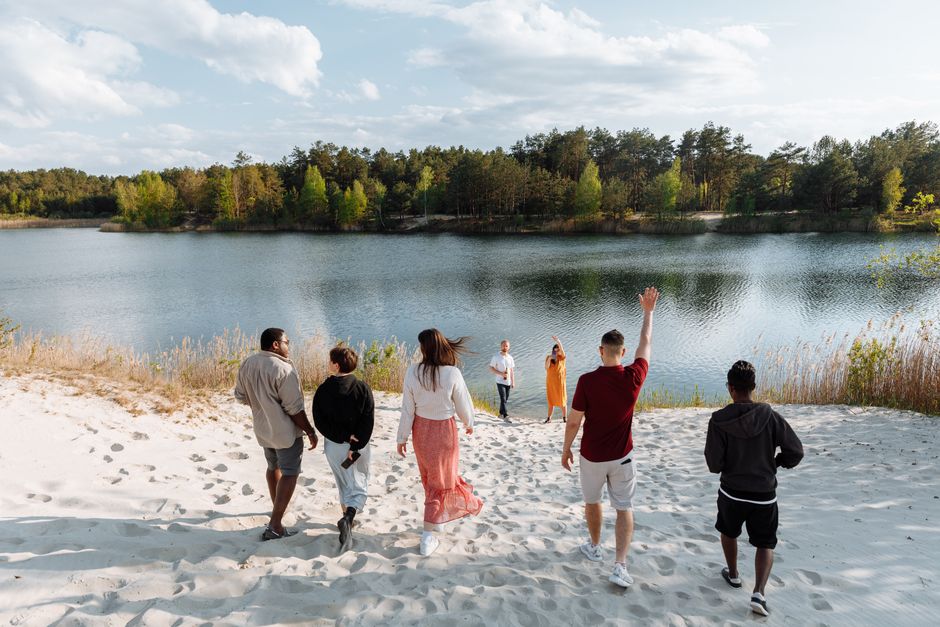
Group bookings rarely come to you unprompted. You need to actively seek them out and position yourself as someone who handles groups. Here are proven ways to find group opportunities:
- Ask existing clients: When booking a couple's holiday, ask if they ever travel with friends or family. You would be surprised how often the answer is yes.
- Social media: Post about group holidays you have organised (with permission). Share tips for planning group trips. Make it clear you handle groups of all sizes.
- Local businesses and clubs: Approach sports clubs, social clubs, churches, schools, and community groups. Many have annual trips and would welcome a dedicated travel agent.
- Wedding venues: Build relationships with local wedding planners and venues. Destination weddings are a goldmine for group bookings.
- Corporate contacts: Companies organise team building trips, conference travel, and incentive holidays. Even small businesses may have 10 to 20 people who travel together.
If you are just starting out and looking for more ways to build your client base, our guide on converting travel enquiries into bookings covers the fundamentals.
Managing Group Logistics Without Losing Your Mind
The biggest challenge with group bookings is managing multiple people with different preferences, budgets, and dietary requirements. The key is structure and clear communication from day one.
Appoint a group leader. This is typically the person who initiated the trip (the bride, the birthday celebrant, the team captain). All communication should flow through them rather than dealing with 30 individual requests.
Set a clear timeline. Establish firm deadlines for deposits, balance payments, passport details, and room preferences. Communicate these to the group leader early and follow up proactively.
Use a shared document or spreadsheet. Track every group member's details, payment status, and special requirements in one place. This becomes your single source of truth and prevents things falling through the cracks.
Standardise the options. Rather than offering unlimited choices, present two or three accommodation or package options at different price points. This simplifies decision-making for the group and reduces your workload.

Maximising Your Commission on Group Bookings
Tour operators and hoteliers often offer enhanced commission rates or free places for group bookings. Here is how to make the most of these opportunities:
- Negotiate group rates: Most operators offer discounted rates or upgraded commission for groups of 10 or more. Always ask. The worst they can say is no.
- Claim free places: Many operators offer one free place for every 10 or 15 paying passengers. This can be used to reduce the group leader's cost (building loyalty) or kept as additional commission.
- Upsell extras: Groups are more receptive to add-ons like airport transfers, excursions, travel insurance, and room upgrades. Each upsell increases your overall commission.
- Book with preferred operators: Concentrate group bookings with operators where you have strong relationships or higher commission tiers. Volume builds your status and future earning potential.
For more strategies on increasing your earnings per booking, read our guide on how to upsell extras and increase your earnings.
Handling Payments and Deposits
Payment management is where group bookings can become stressful if you are not organised. Establish your payment process before the group commits:
- Take individual deposits: Each group member should pay their own deposit directly. This confirms their commitment and reduces the risk of one person collecting money from others.
- Set balance payment deadlines: Give the group a balance deadline that is at least two weeks before the operator's deadline. This gives you a buffer for chasing late payments.
- Be firm on deadlines: Late payments from one person can jeopardise the entire group's booking. Make consequences clear from the start: missed deadlines mean the booking cannot be guaranteed.
- Keep detailed records: Record every payment against every group member. Send regular payment updates to the group leader so everyone knows where they stand.
Building a Reputation for Group Travel
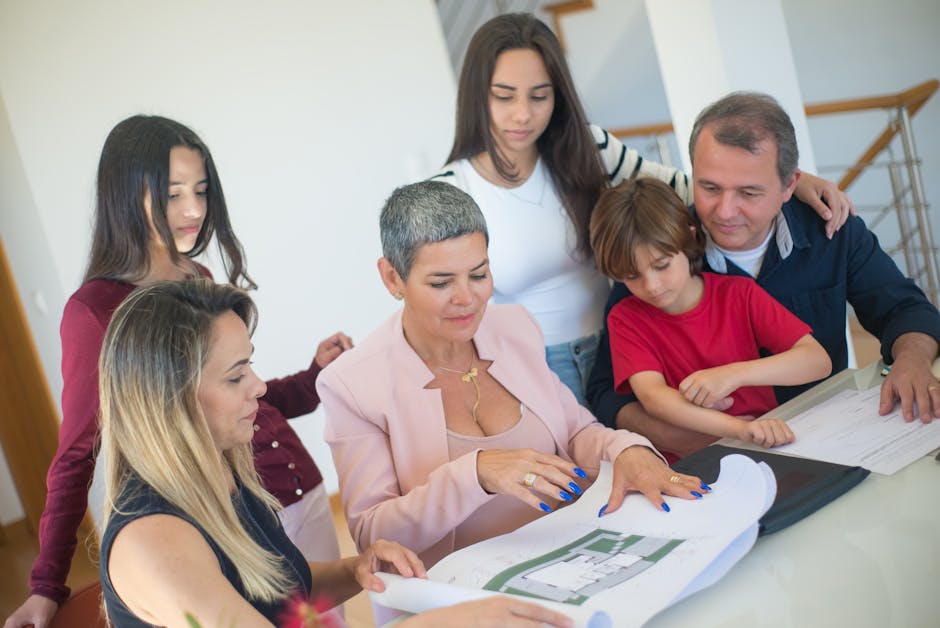
Once you have successfully handled a few group bookings, your reputation will grow quickly. Group members talk to each other, post on social media, and recommend you to their own networks. Here is how to accelerate that growth:
- Ask for testimonials: After every group trip, ask the group leader and a few members for written testimonials. Use these on your website and social media.
- Create a dedicated group travel page: On your website or social media, create content specifically about group holidays. This makes it clear you specialise in this area.
- Follow up after the trip: Send a thank you message to the group leader and offer to start planning next year's trip. Many groups travel together annually.
- Offer a referral incentive: Give group leaders a small discount or upgrade on their next booking if they refer another group to you.
Frequently Asked Questions
How many people count as a group booking?
Most tour operators define a group as 10 or more passengers, though some start group benefits at 8. Always check with your operator for their specific thresholds.
Do I need special training to handle group bookings?
No formal qualification is needed, but experience helps. Start with smaller groups of 10 to 15 people and build your confidence before taking on larger parties. Your host agency should also provide support and guidance.
What if someone in the group cancels?
Individual cancellations within a group are common. Ensure each person has their own travel insurance and that the operator's cancellation terms are clear from the start. If numbers drop below the group threshold, renegotiate with the operator rather than losing the booking entirely.
How far in advance do groups typically book?
Most group bookings are made 9 to 18 months in advance, particularly for weddings and milestone events. This gives you a longer lead time to manage logistics and collect payments.
Can I earn more from groups than individual bookings?
Significantly more. A single group booking of 20 passengers can generate as much commission as five to six individual couple bookings, making group travel one of the most efficient ways to grow your income.
Ready to start earning more from group bookings? Join YTC and get access to training, preferred operator rates, and the support you need to handle groups confidently from day one.