How to Manage Your Time and Stay Productive as a Home Working Travel Agent

How to Manage Your Time and Stay Productive as a Home Working Travel Agent
Time management is one of the biggest challenges facing home working travel agents. Without the structure of an office environment, it's easy to either work too much or struggle to stay focused. The key to building a successful home-based travel business lies not just in your sales skills, but in your ability to manage your time effectively and maintain consistent productivity.
The Time Management Challenge for Home Working Agents
Working from home offers incredible freedom and flexibility, but it also brings unique challenges that traditional office workers don't face:
- No clear boundaries between work and personal life
- Constant distractions from household tasks, family, or pets
- Isolation without colleagues to motivate and support you
- Client expectations that you're available 24/7
- Irregular income that makes it tempting to work excessive hours
The agents who thrive are those who create structure, set boundaries, and develop systems that keep them productive without burning out.

Creating Your Ideal Daily Routine
A consistent daily routine is the foundation of productivity for home working agents. Here's a structure that works for many successful agents:
Morning (8:30-12:30): This is prime time for client-facing work. Most clients check emails in the morning and are more likely to respond quickly. Focus on:
- Responding to new enquiries within 2 hours (this dramatically improves conversion)
- Following up quotes and proposals sent yesterday
- Making outbound calls to warm leads
- Managing any urgent client issues
Midday (12:30-13:30): Take a proper lunch break away from your desk. This isn't wasted time – it's essential for maintaining afternoon productivity.
Afternoon (13:30-17:00): This is ideal for focused work that doesn't require immediate client interaction:
- Researching and creating detailed travel proposals
- Learning about new destinations and products
- Administrative tasks and bookkeeping
- Content creation for social media and marketing
Evening check-in (20:00-20:30): A brief 30-minute session to check for urgent emails and respond to any time-sensitive enquiries. This prevents clients from waiting until the next morning while still protecting your evening.
The key is consistency. Working the same hours each day trains your brain when to be productive and helps clients know when to expect responses.
Essential Productivity Tools and Technology
The right tools multiply your effectiveness without requiring more hours:
CRM system: Essential for managing client relationships without things slipping through the cracks. Your CRM should track:
- Every client interaction and communication
- Follow-up tasks and reminders
- Client preferences and past bookings
- Your sales pipeline from enquiry to booking
Email management: Use templates for common responses, folders for organisation, and rules to automatically sort emails. The goal is to handle each email once rather than reading it multiple times.
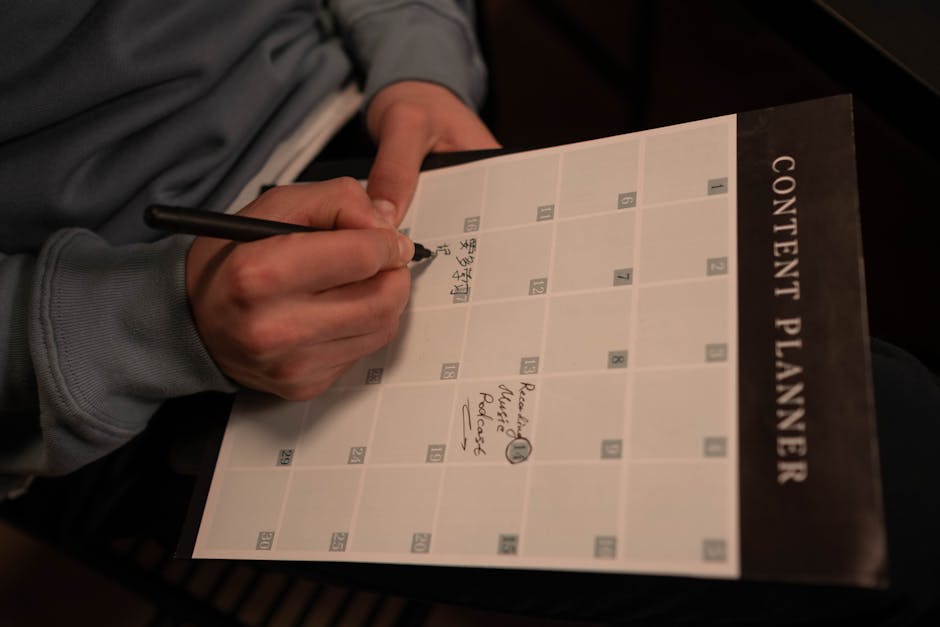
Calendar blocking: Schedule specific tasks in your calendar, not just meetings. Block time for proposal writing, admin work, and marketing. If it's in your calendar, it's more likely to get done.
Task management apps: Tools like Todoist, Asana, or even a simple daily to-do list keep you focused on priorities rather than reacting to whatever comes up.
Automation: Automate repetitive tasks wherever possible – social media scheduling, email sequences for new enquiries, and standard client communications.
Managing Client Expectations and Boundaries
One of the most important productivity skills is training clients to respect your time:
Set clear office hours and communicate them to clients. Include them in your email signature, voicemail message, and on your website.
Response time expectations: Tell clients your typical response time (e.g., "within 2 hours during business hours") rather than leaving them guessing.
Emergency protocol: Make it clear what constitutes a genuine emergency worthy of an out-of-hours call, and how to reach you in such cases.
The phone trap: Just because clients can call you doesn't mean you must answer immediately. It's perfectly professional to let calls go to voicemail when you're focused on another task, then return them at a scheduled time.
Weekend boundaries: Decide whether you work weekends and stick to it. If you don't work Saturdays, don't respond to non-urgent emails on Saturdays – you're training clients to expect weekend availability.
Remember: Clients respect agents who are professional and reliable, not necessarily those who are available 24/7.

Avoiding Distractions and Staying Focused
Your home environment presents constant temptation to do anything except work. Combat this with:
Dedicated workspace: A separate room is ideal, but even a specific desk or corner that's only used for work helps your brain switch into work mode.
Physical preparation: Get dressed (not necessarily formal, but out of pajamas), prepare your workspace, and make coffee as if you're heading to an office. These rituals signal your brain that it's work time.
Time blocking techniques: Use the Pomodoro Technique (25 minutes focused work, 5-minute break) or similar methods to maintain concentration.
Eliminate notification distractions: Turn off phone notifications during focused work blocks. Social media can wait – checking it six times a day is more than sufficient.
Household task boundaries: The washing machine can run without you watching it. Create a rule: household chores happen outside work hours except during designated breaks.
Family boundaries: If you have family at home, establish clear signals for when you're available and when you're in "do not disturb" mode.
Balancing Business Growth with Personal Time
The ultimate goal isn't just productivity – it's building a sustainable business that supports your lifestyle:
Track your time: For one week, record exactly how you spend your work hours. You'll likely discover you're spending too much time on low-value activities and not enough on client-facing work that generates revenue.
80/20 rule: Identify the 20% of activities that generate 80% of your results, and prioritise those ruthlessly.
Regular breaks prevent burnout: Schedule proper holidays when you completely disconnect from work. Your business won't collapse, and you'll return refreshed and more productive.
Define success on your terms: More hours doesn't equal more success. An agent earning £40,000 working 30 hours a week has a better business than one earning £50,000 working 60 hours.
Review and adjust: Every month, assess what's working and what isn't. Your time management system should evolve as your business grows.
Related Reading
Further resources for home working agents:
Ready to build your own home-based travel business? Join YTC today
Frequently Asked Questions
How many hours should I work as a home working travel agent?
Most successful agents work 35-40 hours per week during business hours, plus occasional evening check-ins. Working excessive hours is usually a sign of poor systems rather than a path to success.
Should I answer client calls outside office hours?
Only for genuine emergencies where a client is travelling and needs immediate assistance. For general enquiries, let it go to voicemail and return the call during business hours. Clients will respect your boundaries.
What's the biggest time-waster for home working agents?
Email – specifically, checking it constantly throughout the day instead of in scheduled blocks. Set specific times to process email (e.g., 9am, 12pm, 3pm, 5pm) rather than responding instantly to every message.
How do I stay motivated working alone from home?
Join agent communities and support groups, set regular goals and track your progress, celebrate small wins, and remember why you chose this career. Many agents also benefit from working from a coffee shop or co-working space occasionally for a change of scene.
Should I work weekends as a travel agent?
It's your choice, but not necessary. Many successful agents work Monday-Friday only. If you do work weekends, take two weekdays off instead to maintain work-life balance. Consistency matters more than specific days.