How to Use Email Marketing to Nurture Travel Leads and Build Repeat Business as a Home Working Travel Agent
Despite the rise of social media and instant messaging, email marketing remains the highest-converting channel for travel agents. Unlike social posts that disappear in hours, emails land directly in your prospects' inboxes, delivering personalised offers exactly when they're planning their next holiday.
For home working travel agents, email marketing provides a scalable way to nurture leads, share destination inspiration, and stay top-of-mind with past clients without relying on paid advertising or constant social media presence. The key is building trust through consistent, valuable communication — not bombarding inboxes with hard-sell offers that damage your reputation.

Why Email Marketing Still Works for Travel Agents in 2026
Email marketing delivers an average ROI of £42 for every £1 spent — higher than any other digital marketing channel. For travel agents, email's effectiveness comes from its direct, personal nature. When someone subscribes to your list, they're inviting you into their inbox and signalling genuine interest in your services.
Unlike social media algorithms that determine who sees your content, email puts you in control. Every subscriber receives your message, and you can segment, personalise, and automate campaigns based on their interests and behaviour. This makes email the perfect channel for nurturing leads over the weeks or months between initial enquiry and booking decision.
Email also allows you to build deeper relationships than social media's fleeting interactions. A well-crafted email sequence positions you as a trusted advisor, educates prospects about destinations and booking processes, and gently guides them toward working with you when they're ready to book.
Building Your Email List the Right Way
Your email list is your most valuable asset as a home working travel agent. Unlike social media followers (which you don't own), your email list belongs to you. If a social platform changes its algorithm or shuts down tomorrow, your list remains intact.
Start by capturing email addresses through your website with a clear value proposition: "Subscribe for exclusive travel deals, destination guides, and insider tips." Offer a lead magnet such as a free destination guide PDF, travel planning checklist, or access to member-only rates that incentivises signup beyond generic "newsletter" promises.
Use embedded signup forms on your website footer and contact page, exit-intent pop-ups (used sparingly — once per visitor), and social media bio links to drive subscriptions. Always use double opt-in confirmation to ensure subscribers genuinely want to hear from you and to maintain list quality.

Never buy email lists. Purchased lists deliver low engagement (often under 1% open rates), damage your sender reputation with spam complaints, and violate GDPR regulations in the UK. Organic subscribers who opted in because they're genuinely interested in your content convert at 10-20 times the rate of purchased contacts, making quality far more valuable than quantity.
Promote your email list at every customer touchpoint: include a signup link in your email signature, mention it during client consultations, add a QR code to business cards, and encourage past clients to subscribe for future travel inspiration and exclusive offers.
Segmenting Your List for Maximum Relevance
Segmentation transforms generic email blasts into targeted messages that resonate with each subscriber's interests, dramatically increasing open rates, click-through rates, and conversions. The goal is to send the right message to the right person at the right time.
Divide your list by past booking type (family holidays, honeymoons, luxury travel, adventure holidays), destination interest (Caribbean, Europe, long-haul, cruise), budget level (budget-conscious, mid-range, luxury), and engagement history (cold leads, warm prospects, hot leads, past clients).
Send honeymoon offers only to engaged couples or newlyweds, family resort promotions to parents with children, and luxury villa deals to high-budget travellers. Tailor your messaging to where each subscriber is in their buyer journey:
- Cold leads (never enquired): Educational content, destination inspiration, trust-building stories
- Warm leads (enquired but didn't book): Testimonials, social proof, destination deep-dives, limited-time offers
- Hot leads (in active conversation): Follow-up information, answers to objections, compelling booking incentives
- Past clients: Loyalty rewards, "book your next trip" campaigns, referral requests
Use your CRM or email marketing platform (Mailchimp, ConvertKit, ActiveCampaign, or MailerLite) to tag subscribers based on form submissions, website behaviour, email clicks, and past interactions. The more targeted your segments, the higher your engagement and conversion rates.
Email Campaign Types That Generate Bookings
Develop a mix of email campaign types to keep your list engaged, build trust, and drive bookings without overwhelming subscribers or appearing too sales-focused:
- Welcome series (3-5 emails): Introduce your services, share your story and credentials, set expectations for what subscribers will receive, and establish trust with new signups. This is your chance to make a strong first impression.
- Destination inspiration (monthly or bi-weekly): Showcase trending destinations, seasonal highlights, and travel tips. Include stunning imagery, insider knowledge, and a soft call-to-action to enquire about featured destinations.
- Exclusive offers (weekly or bi-weekly): Limited-time deals, early access to sales, member-only rates, and flash promotions that reward loyalty and create urgency.
- Client success stories: Testimonials and case studies featuring real clients' holiday experiences, complete with photos and specific details that build social proof and demonstrate your expertise.
- Educational content: How-to guides ("How to choose the right Caribbean island"), booking advice ("When to book for best value"), and destination comparisons that position you as an expert advisor.
- Re-engagement campaigns: Targeting inactive subscribers (haven't opened in 60-90 days) with "We miss you" emails offering special incentives, preference updates, or a final "stay subscribed?" message before removing them.

Vary your content to balance education, inspiration, and promotional messaging. A good ratio is 70% value-driven content (guides, tips, stories) and 30% direct offers. This prevents subscriber fatigue and positions you as a helpful resource rather than a pushy salesperson.
Consistency matters more than frequency. Whether you send weekly, bi-weekly, or monthly emails, stick to a predictable schedule so subscribers know when to expect your messages and don't forget about you between sends.
Writing Emails That Get Opened and Clicked
Your subject line determines whether subscribers open your email. Aim for 40-50 characters, use curiosity-driven or benefit-focused language, and personalise with the recipient's first name when appropriate. Avoid spam triggers like "FREE!!!", excessive punctuation, or all caps.
Test subject lines with A/B split testing (most email platforms offer this) to learn what resonates with your audience. Track which types of subject lines (questions, urgency, benefits, curiosity) generate the highest open rates and double down on winners.
Inside the email, write conversationally as if speaking to one person, not a crowd. Use short paragraphs (2-3 sentences max), bullet points for easy scanning, and clear calls-to-action. Every email should have one primary goal — whether that's reading a blog post, viewing a destination offer, booking a consultation call, or replying with questions.
Include compelling visuals (destination photos, resort images) but don't overload emails with large files that slow loading times or trigger spam filters. Aim for 1-3 high-quality images per email. Mobile optimisation is critical — over 60% of emails are opened on mobile devices, so test your layouts on smartphones before sending.
Always include a clear, action-oriented call-to-action button ("Explore This Destination", "View the Offer", "Book a Free Consultation") rather than just a text link. Buttons stand out visually and drive higher click-through rates.
Automating Your Follow-Up Sequences
Email automation lets you nurture leads systematically while you sleep, ensuring no enquiry falls through the cracks due to manual follow-up failures. Set up automated sequences triggered by specific actions:
- New subscriber: Receives your welcome series automatically over 3-7 days
- Enquiry form submission: Triggers a follow-up sequence providing additional destination information, testimonials, and a clear booking path over 7-10 days
- Past client (6 months post-trip): Receives a "book your next trip" reminder with destination suggestions based on previous travel
- Abandoned quote: If you send quotes via email, trigger a follow-up sequence if they don't respond within 48 hours, addressing common objections and offering a consultation
A well-designed post-enquiry drip sequence keeps your services front-of-mind without manual follow-up for every lead. For example:
- Email 1 (immediate): "Thanks for your enquiry" with next steps and what to expect
- Email 2 (Day 2): Destination deep-dive or client testimonial relevant to their interest
- Email 3 (Day 5): Answer common questions or objections about booking with an agent
- Email 4 (Day 7): Soft call-to-action to book a consultation or request a quote
- Email 5 (Day 10): Final follow-up with limited-time incentive or "Are you still interested?" message
Automated birthday and anniversary emails (if you've collected that data during booking) create personal touchpoints that surprise and delight clients, significantly increasing the likelihood of repeat bookings. Include a special discount or personalised offer to incentivise immediate action.
Measuring and Improving Your Email Performance
Track these key metrics for every email campaign to identify what's working and what needs improvement:
- Open rate: Percentage of recipients who opened your email (aim for 20-30% for travel industry)
- Click-through rate (CTR): Percentage who clicked a link in your email (aim for 2-5%)
- Conversion rate: Percentage who completed your desired action (enquiry, booking, consultation request)
- Unsubscribe rate: Should stay below 0.5% per send; higher rates indicate poor targeting or content
- Bounce rate: Invalid email addresses; clean your list if this exceeds 2%
Use UTM parameters in your email links (e.g., ?utm_source=email&utm_medium=newsletter&utm_campaign=vietnam-2026) to track which emails drive traffic and bookings via Google Analytics. This data reveals which campaign types, destinations, and offers generate the most revenue, allowing you to double down on what works.
Clean your email list quarterly by removing hard bounces (invalid addresses), unengaged subscribers (haven't opened in 6+ months), and role-based emails (info@, admin@). A smaller, engaged list delivers better deliverability, higher open rates, and more conversions than a large, inactive list.
Test different send times and days to find when your audience is most likely to engage. Many travel agents find Tuesday-Thursday mornings (9am-11am) or Sunday evenings (6pm-8pm) perform best, but your audience may differ.
Ready to build a high-converting email marketing system that generates consistent bookings? Join YTC as a home working travel agent and access training, CRM tools, proven email templates, and ongoing support that turn leads into loyal clients.
Frequently Asked Questions
How often should I email my subscriber list?
For most travel agents, weekly or bi-weekly emails work well. Test frequency with your audience — too many emails lead to unsubscribes and spam complaints, too few cause subscribers to forget about you. Prioritise consistency over volume. Monthly emails are the minimum to stay visible; daily emails will overwhelm most travel audiences.
What email marketing platform is best for travel agents?
Mailchimp offers a free tier for lists under 500 subscribers and is beginner-friendly. ConvertKit excels at automation and creator-focused features. ActiveCampaign provides advanced automation, CRM integration, and segmentation ideal for serious travel agents. MailerLite offers excellent value for growing lists. Choose based on your list size, budget, and automation needs.
Do I need GDPR consent to email travel leads in the UK?
Yes, GDPR and UK data protection laws require explicit consent to send marketing emails to UK subscribers. Use double opt-in forms where subscribers confirm their email address and consent. Provide clear unsubscribe options in every email, honour unsubscribe requests immediately, and only email those who have actively consented. Purchased lists violate GDPR and damage your sender reputation.
Should I write emails myself or use templates?
Start with proven templates from your email platform or YTC resources to maintain consistency and professional design, then customise with your voice, brand, and unique insights. Personal stories, client testimonials you've collected, and your specific destination expertise make emails stand out from generic agency blasts. Templates provide structure; your personality provides connection.
How do I get past clients to book again via email?
Send a personalised "We'd love to plan your next adventure" email 4-6 months after their last trip, when they're likely thinking about their next holiday. Reference their previous destination, suggest a new destination based on their interests, and include a limited-time incentive or loyalty discount for returning clients. Automated anniversary emails ("It's been one year since your Maldives honeymoon — ready for another escape?") work exceptionally well.
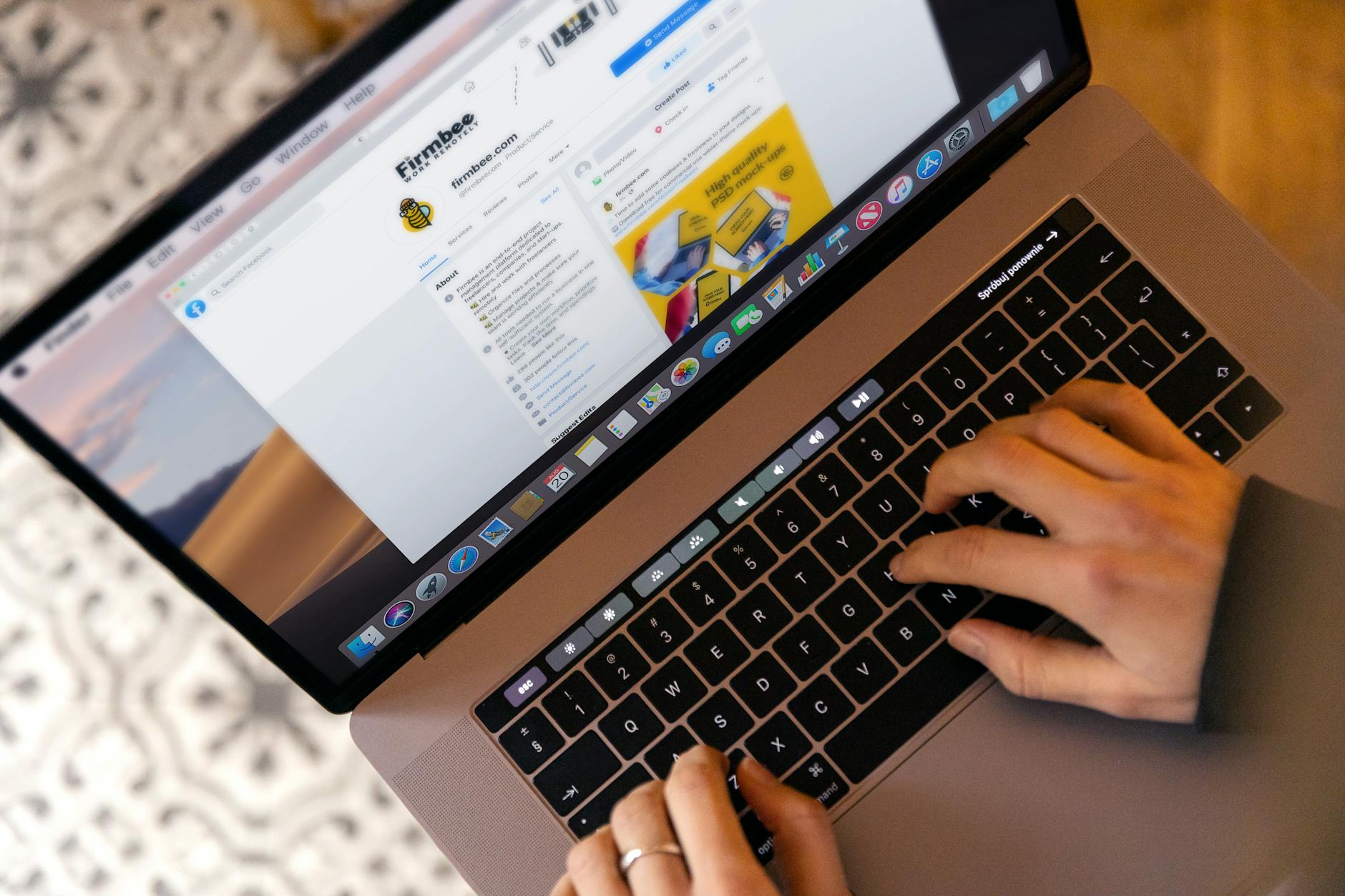
Cover image by Firmbee.com on Pexels