Japan: The Trip That’s Worth the Planning
Japan has a habit of sitting on the bucket list for years.
It’s one of those places people really want to visit, but between the language, the trains, the sheer number of places you could go and the feeling that you need to understand approximately 400 unwritten rules before you arrive, it can seem like a complicated trip to plan.
It really doesn’t have to be.
Japan is extraordinary, wonderfully different and surprisingly easy to travel around once you know how to piece it together. The trick isn’t trying to see everything. It’s choosing the bits you’ll love most and giving yourself enough time to actually enjoy them.
Why Japan?
Because there really isn’t anywhere else quite like it.
You can step out of one of the world’s busiest railway stations, eat an incredible bowl of ramen for lunch, wander through a centuries-old temple in the afternoon and be looking across a neon-lit skyline by evening.
Japan does futuristic and traditional side by side without either feeling staged for tourists.
And then there’s the food. The landscapes. The ridiculous efficiency of the trains. Tiny bars tucked into Tokyo alleyways. Peaceful gardens in Kyoto. Convenience stores that somehow have better food than they have any right to.
It’s a destination where the everyday stuff can end up being just as memorable as the headline sights.
The Classics — For Very Good Reason
Tokyo is enormous, slightly bonkers and endlessly fascinating. Shibuya, Shinjuku, Asakusa and Ginza can feel like completely different cities, so don’t make the mistake of thinking Tokyo is somewhere you simply “tick off” in a couple of days.
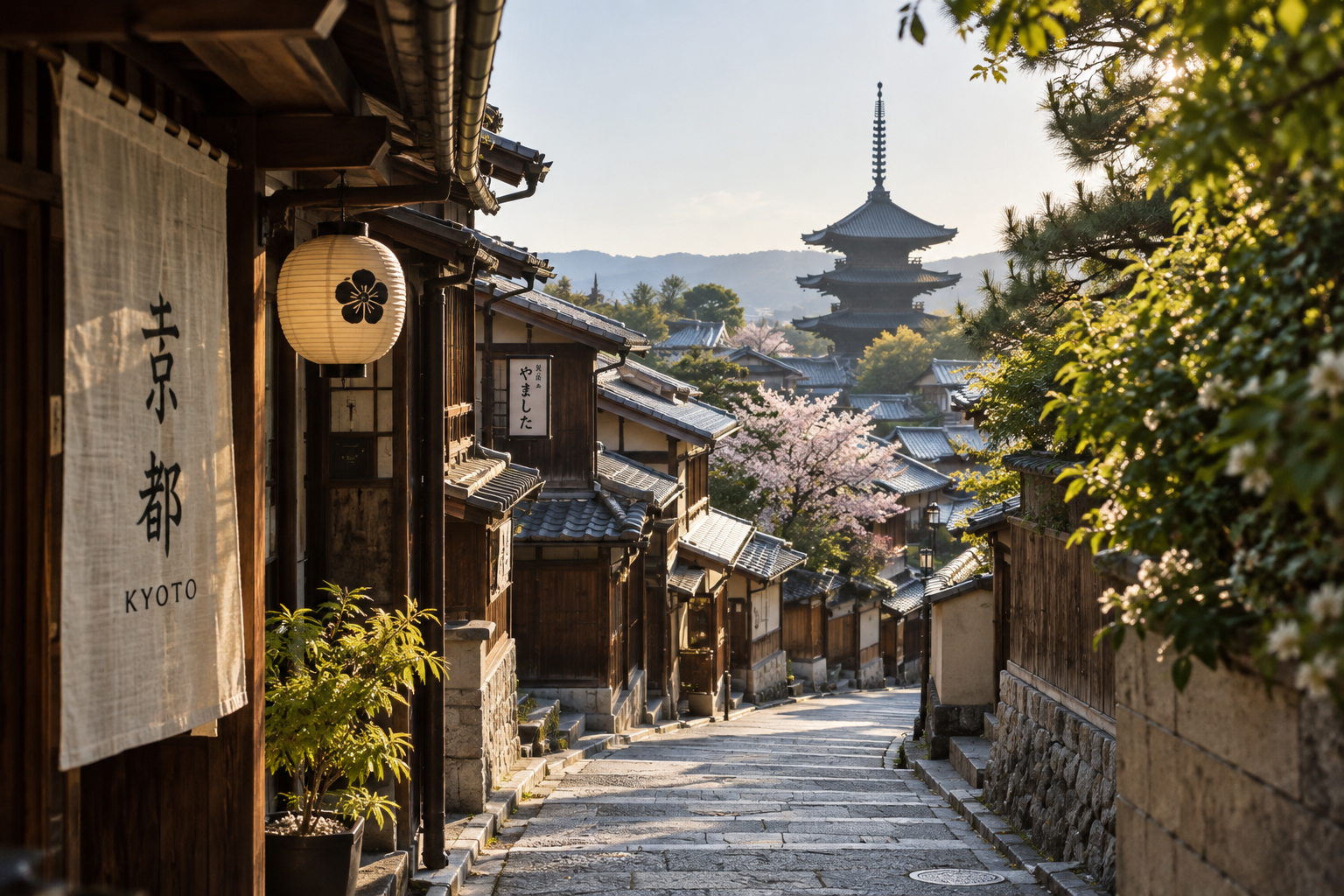
Kyoto is where Japan slows down. Temples, gardens, traditional neighbourhoods, bamboo groves and beautiful ryokan stays make it an obvious contrast to Tokyo. Yes, some of its famous sights get busy — but wander a few streets away and Kyoto can still feel wonderfully peaceful.
Osaka is the one for food. Takoyaki, okonomiyaki and the sensory overload of Dotonbori make eating part of the sightseeing. It’s lively, informal and a brilliant counterpoint to Kyoto.
And then there’s Hiroshima and Miyajima. Hiroshima’s Peace Memorial sites are understandably moving, while nearby Miyajima and Itsukushima Shrine offer an entirely different experience. They work beautifully together as part of a longer Japan itinerary.
But these are the beginning, not the limit. Japan rewards going beyond the obvious — whether that means the mountains, smaller towns, hot-spring resorts or heading north into Hokkaido.
WORTH KNOWING
You probably don’t need a nationwide Japan Rail Pass.
It used to be almost an automatic purchase for visitors, but prices increased significantly in 2023. For many Tokyo–Kyoto–Osaka itineraries, buying individual train tickets can now work out cheaper.
The right answer depends entirely on your route, so work out the journeys first and the rail pass second — not the other way around.
When Should You Go?
March–April | Cherry blossom season
The famous one. Japan under a cloud of pink blossom really is beautiful, but exact flowering dates vary by location and year. It’s also one of the most popular times to visit, so this is not the trip to leave until the last minute.
October–November | Autumn
Possibly Japan’s other showstopper. The changing leaves turn temples, gardens and mountain landscapes shades of red, orange and gold, with generally comfortable sightseeing weather.
July–August | Summer
Hot. And we mean hot and humid. But summer also brings festivals, fireworks and a completely different atmosphere. Worth considering if those experiences matter more to you than comfortable sightseeing temperatures.
December–February | Winter
Much quieter in many of the major sightseeing areas, with skiing and deep powder snow drawing travellers north to Hokkaido. There’s also something rather special about temples and traditional towns under snow.
What Does Japan Actually Cost?
Japan has a reputation for being eye-wateringly expensive, but the reality is more nuanced.
Flights and good Tokyo hotels can take a sizeable chunk of the budget, particularly during peak periods. Once you’re there, however, you can eat extremely well without spending a fortune, public transport is excellent and there’s accommodation at almost every level.
As a broad starting point, a 10–14 night multi-centre trip from the UK might fall somewhere around £3,000–£5,500 per person including flights, but there’s enormous variation depending on season, hotel level, route and the experiences you add.
And this is somewhere we’d absolutely leave room in the budget for at least one proper ryokan stay. Sleeping on futons, soaking in an onsen and having a traditional multi-course dinner isn’t simply accommodation — it’s part of the trip.
The Raia Take
Do less.
Seriously.
Japan makes it incredibly tempting to look at a map and think Tokyo, Kyoto, Osaka, Hiroshima, Hakone, Kanazawa, Takayama… we can squeeze those in.
You probably can.
You probably shouldn’t.
For a first trip, Tokyo, Kyoto and Osaka with one or two carefully chosen additions can make a far better holiday than spending two weeks permanently checking out, finding platforms and dragging luggage onto another train.
Japan isn’t somewhere you need to conquer.
Give yourself time to wander down the wrong street. Sit at the tiny restaurant you hadn’t planned to visit. Spend far too long in a Japanese convenience store wondering why you’re emotionally invested in an egg sandwich.
Those are often the bits you come home talking about.
Japan on your list but not quite sure where to start? Tell us how you like to travel and we’ll build the route around you — not around somebody else’s checklist.