Malta Holidays from the UK: Valletta, Blue Lagoon and Booking Tips for 2026

Why Malta Is the Mediterranean's Best-Kept Secret
Malta punches well above its weight as a holiday destination. This tiny island nation in the heart of the Mediterranean packs 7,000 years of history, stunning limestone coastlines, crystal-clear diving waters and a thriving food scene into an area smaller than the Isle of Wight. For UK travellers, it is one of the most accessible warm-weather escapes — direct flights from most major UK airports take under three hours, and English is an official language.
The Maltese archipelago comprises three inhabited islands — Malta, Gozo and Comino — each with a distinct character. Whether you want ancient temples older than Stonehenge, baroque cathedrals, Blue Lagoon swims or harbour-side seafood suppers, these islands deliver an extraordinary variety of experiences at a fraction of the cost of many western European beach destinations.
Best Areas to Stay in Malta
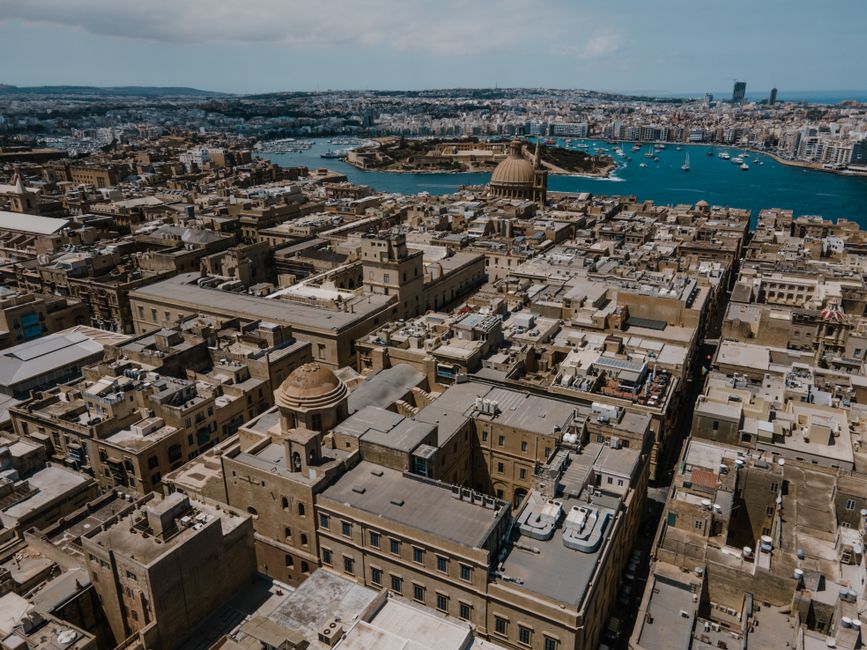
Valletta, the capital, is a UNESCO World Heritage Site and one of Europe's most concentrated historic cities. Boutique hotels inside converted 16th-century palazzos put you within walking distance of St John's Co-Cathedral, the Upper Barrakka Gardens and some of the island's finest restaurants.
St Julian's and Sliema sit on the northeast coast and are the main hubs for nightlife, shopping and seafront promenades. These towns suit younger travellers and couples who want a lively base with easy bus connections across the island.
Mellieha in the north offers Malta's largest sandy beach, a quieter village atmosphere and proximity to the Gozo ferry. It is an excellent choice for families.
Gozo deserves at least a few nights of its own. The island is greener, quieter and more rural than Malta, with spectacular diving at the Inland Sea and stunning coastal walks along the Sanap Cliffs.
Top Experiences and Day Trips
The Blue Lagoon on Comino is Malta's most photographed spot, and for good reason. This sheltered cove between Comino and Cominotto glows an almost unreal shade of turquoise. Arrive by boat early in the morning to beat the crowds.
History lovers should visit the Hal Saflieni Hypogeum, an underground prehistoric burial site dating to 4000 BC. Tickets are limited to 80 visitors per day, so book well in advance. The Megalithic Temples of Ggantija on Gozo are even older — predating the Egyptian pyramids by over a thousand years.
For something more active, scuba diving around Malta and Gozo is world-class, with visibility often exceeding 30 metres. Wrecks, caves, reefs and drop-offs suit every level from beginner to advanced.
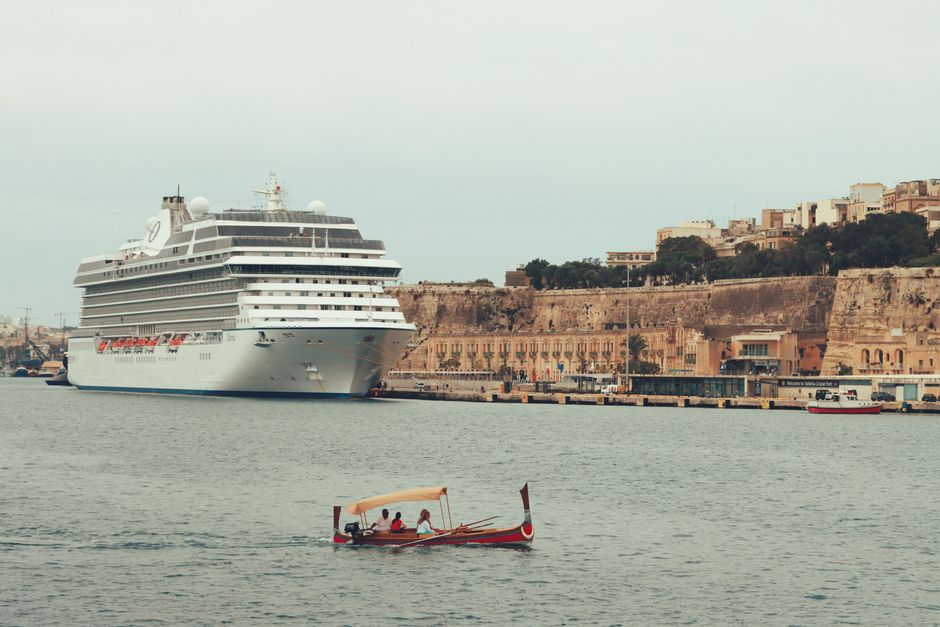
Food-lovers should explore the fishing village of Marsaxlokk on a Sunday morning, when the harbour fills with traditional luzzu boats and a sprawling fish market. Try the local lampuki (mahi-mahi), rabbit stew and pastizzi (flaky pastries filled with ricotta or peas).

When to Visit Malta
Malta enjoys over 300 days of sunshine a year, making it a genuine year-round destination. May to October is peak beach season, with water temperatures climbing above 23°C from June onwards. July and August are the hottest months (35°C+) and the busiest, so book early for summer half-term or school holidays.
April, May, September and October are ideal for sightseeing, diving and walking — warm enough for the beach but cool enough to explore temples and fortifications without wilting. These shoulder months also offer significantly lower hotel rates.
Winter (November to March) is mild by UK standards (14-18°C) and suits culture-focused breaks, with fewer crowds at major sites. The Maltese carnival in February and Valletta's Christmas markets add seasonal flavour.
Booking Tips for UK Travellers
Malta is excellent value compared to many Mediterranean rivals. A week's package holiday including flights and a 4-star hotel can be surprisingly affordable, especially when booked through a travel consultant who can access exclusive rates and room upgrades not available online.
Consider a twin-centre break combining Malta and Gozo — your consultant can arrange the inter-island ferry and coordinate hotel check-ins so the logistics are seamless.
Car hire is useful for exploring but not essential. Malta's bus network covers the whole island for a few euros a day, and Bolt ride-hailing keeps transfers simple. Driving is on the left (same as the UK), which makes it easy for British visitors who do want to hire a car.
All package holidays booked through Your Travel Consultant are fully ATOL and PTS protected, giving you complete financial security from the moment you book. See our guide to ATOL protection for more details.
Malta Holiday FAQs
- How long is the flight from the UK to Malta? Direct flights take around 2 hours 50 minutes from London, with services from Gatwick, Heathrow, Stansted, Luton, Manchester, Edinburgh and Bristol. Ryanair, easyJet, Air Malta and British Airways all operate routes.
- Do I need a visa for Malta? No. Malta is in the EU and the Schengen Area, but UK passport holders can visit visa-free for up to 90 days in any 180-day period.
- What language do they speak? Maltese and English are both official languages. Almost everyone speaks fluent English, so communication is never a barrier.
- Is Malta good for families? Very much so. Sandy beaches at Mellieha and Golden Bay, the Malta National Aquarium, Popeye Village and boat trips to the Blue Lagoon all keep children entertained.
- What currency does Malta use? The Euro. Credit cards are widely accepted, and ATMs are easy to find in all towns.
Ready to explore Malta? Contact a travel consultant today for a personalised quote — fully ATOL protected and tailored to exactly what you want from your Mediterranean escape.