Norway Holidays from the UK: Fjords, Northern Lights and Bergen Guide for 2026
Norway Holidays from the UK: Fjords, Northern Lights and Bergen Guide for 2026
Norway offers some of Europe's most spectacular natural landscapes, from dramatic fjords and cascading waterfalls to the ethereal Northern Lights dancing across Arctic skies. For UK travellers seeking adventure, natural beauty, and unique experiences, Norway delivers year-round appeal with excellent flight connections and a well-developed tourism infrastructure.
Whether you're planning a summer fjord cruise, a winter Northern Lights hunt, or a city break in charming Bergen, this comprehensive guide covers everything you need to know about planning your Norwegian holiday in 2026.
Why Choose Norway for Your 2026 Holiday
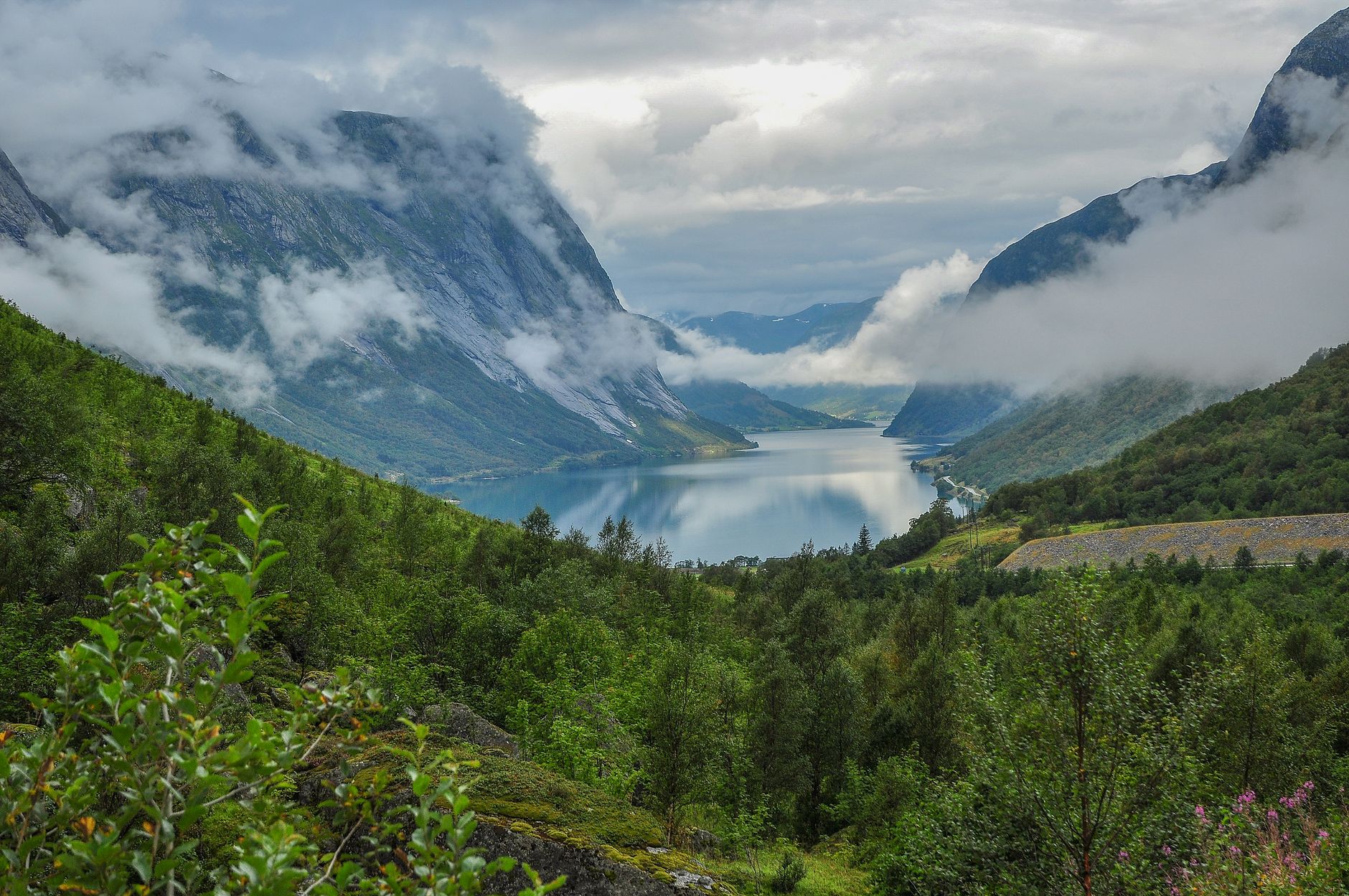
Norway consistently ranks among the world's most beautiful countries, and for good reason. The Norwegian fjords — deep coastal inlets carved by ancient glaciers — create some of the planet's most dramatic scenery. UNESCO has designated both the Geirangerfjord and Nærøyfjord as World Heritage Sites.
Beyond the fjords, Norway offers vibrant cities like Bergen and Oslo, excellent hiking and outdoor activities, and the chance to witness the Northern Lights between September and March. The country's commitment to sustainable tourism means you can explore these wonders whilst supporting responsible travel practices.
For UK travellers, Norway is highly accessible with direct flights from London, Manchester, Edinburgh, and other major airports to Oslo, Bergen, and Tromsø. Flight times are typically 2–3 hours, making Norway an ideal choice for both short breaks and longer explorations.
The Norwegian Fjords: Geiranger, Sognefjord and Hardangerfjord
The fjords are Norway's signature attraction. These narrow, steep-sided inlets stretch inland for dozens of miles, creating landscapes of sheer cliffs, cascading waterfalls, and remote mountain farms. The Geirangerfjord, with its famous Seven Sisters waterfall, is perhaps the most photographed, whilst the Sognefjord — Norway's longest and deepest fjord — offers multiple side arms to explore.
Hardangerfjord, known as the "Queen of the Fjords," is particularly beautiful in spring when thousands of fruit trees blossom along its shores. Most visitors explore the fjords via cruise ship, either as part of a larger Norwegian coastal voyage or a dedicated fjord cruise from Bergen.
Independent travellers can also drive the scenic routes, take the famous Flåm Railway (one of the world's steepest railway journeys), or combine ferries and buses to reach remote fjord villages. Many UK tour operators offer tailor-made Norway itineraries that can be customised to your interests and pace.
Chasing the Northern Lights in Norway
The Northern Lights (Aurora Borealis) are visible across northern Norway from late September through March, with peak viewing typically between November and February. Tromsø, located well above the Arctic Circle, is one of the world's best destinations for aurora hunting, offering excellent infrastructure, knowledgeable guides, and a range of viewing experiences.
You can join organised Northern Lights tours that chase clear skies across the region, stay in glass-roofed cabins designed for sky watching, or combine aurora viewing with other Arctic activities like dog sledding, snowmobiling, or whale watching.
Remember that the Northern Lights are a natural phenomenon and sightings can never be guaranteed. Plan to stay at least 3–4 nights in the region to maximise your chances. If you're drawn to Arctic experiences, you might also consider Iceland holidays or a Finland Northern Lights experience as alternatives.
Bergen: Gateway to the Fjords
Bergen, Norway's second-largest city, serves as the main gateway to the fjords and is a compelling destination in its own right. The colourful wooden houses of the Bryggen wharf (a UNESCO World Heritage Site) line the historic harbour, whilst the Fløibanen funicular whisks you to mountain viewpoints overlooking the city and surrounding islands.
Bergen's fish market, dating back centuries, remains a vibrant place to sample fresh seafood and local specialities. The city also offers excellent museums, including the KODE art museums and the Hanseatic Museum, which tells the story of Bergen's medieval trading past.
Most fjord cruises depart from Bergen, making it an ideal base for a few days before or after your coastal voyage. The city is well connected to the UK with direct flights from London, Edinburgh, and other airports.
Best Time to Visit Norway
Norway is a year-round destination, and the best time depends on your priorities:
Summer (June–August): Long days (or 24-hour daylight in the far north), warmest weather, ideal for hiking and fjord cruising. This is peak season, so expect higher prices and busier attractions.
Spring/Autumn (April–May, September–October): Fewer crowds, lower prices, and still reasonable weather. Spring brings fruit blossom to the fjords, whilst autumn offers stunning fall colours. Northern Lights season begins in September.
Winter (November–March): Northern Lights season, winter sports, and Arctic experiences. Days are short (or non-existent in the far north), but the snow-covered landscapes are magical. This is the best time for aurora viewing and winter activities.
Practical Booking Tips for Norway Holidays
Norway is one of Europe's more expensive destinations, so careful planning can help manage costs. Consider the following:
- Book early for summer travel: Fjord cruises and popular hotels fill up months in advance for July and August.
- Consider shoulder season: May and September offer better value with decent weather and fewer crowds.
- Package deals can save money: Many tour operators offer flight + hotel + cruise packages that work out cheaper than booking separately.
- Factor in on-the-ground costs: Meals, drinks, and activities in Norway are expensive. Budget accordingly or book half-board accommodation.
- Use a travel consultant: Expert advice can help you choose the right fjord cruise, find better-value hotels, and create an itinerary that maximises your time.
If Norway's prices seem daunting, remember that the dramatic landscapes, excellent infrastructure, and unique experiences justify the premium. Alternatively, if you're looking for winter sun alternatives, a Caribbean or Mediterranean escape might better suit your budget and preferences.
Frequently Asked Questions
Do I need a visa to visit Norway from the UK?
No, UK passport holders can visit Norway for up to 90 days within any 180-day period without a visa. Ensure your passport is valid for at least three months beyond your planned departure date.
What currency is used in Norway?
Norway uses the Norwegian Krone (NOK). Cards are widely accepted everywhere, and many places prefer or only accept card payments. ATMs are readily available in cities and towns.
Is it easy to see the Northern Lights in Norway?
You need to be north of the Arctic Circle (Tromsø, Lofoten, or further north) between September and March. Sightings require clear, dark skies and some luck. Staying 3–4 nights significantly improves your chances.
How long should I spend in Norway?
A week allows for Bergen plus a fjord cruise or Northern Lights trip. Ten days to two weeks gives you time to combine multiple regions, such as Bergen, the fjords, and Tromsø, or to explore at a more relaxed pace.
Are Norway holidays suitable for families?
Absolutely. Norway offers safe, family-friendly experiences including gentle fjord cruises, the Flåm Railway, easy coastal hikes, and winter activities. Children are generally welcome everywhere, and Norwegians speak excellent English.
Ready to explore Norway's fjords and Northern Lights? Contact a travel consultant to start planning your tailor-made Norwegian adventure for 2026.