Patagonia Holidays from the UK: Torres del Paine, Buenos Aires and Chilean Lakes for 2026

Patagonia Holidays from the UK: Torres del Paine, Buenos Aires and Chilean Lakes for 2026
Patagonia feels like two great holidays joined together: a polished city stop in Buenos Aires or Santiago, followed by glacier lakes, mountain passes and some of the most dramatic scenery on earth.
For UK travellers, that combination works best when the trip is designed around the season, the transfers and the exact kind of pace you want. Some visitors want a soft adventure with a few iconic viewpoints. Others want a more active, photography-led journey with time to hike, cruise and slow down in remote lodges.
Why Patagonia works so well as a tailor-made holiday
Patagonia is ideal if you want a holiday that feels genuinely memorable rather than simply ‘nice’. The scenery is the main event, but the best trips also include the right city stop, the right overland pacing and enough time to absorb the landscapes instead of racing through them.
That is why Patagonia fits the tailor-made model so well. You can shape it around a honeymoon, an anniversary, a big birthday or a once-in-a-lifetime adventure. A good itinerary might blend Buenos Aires nightlife, the Argentine or Chilean lake district, and the national park icons that most travellers come for.
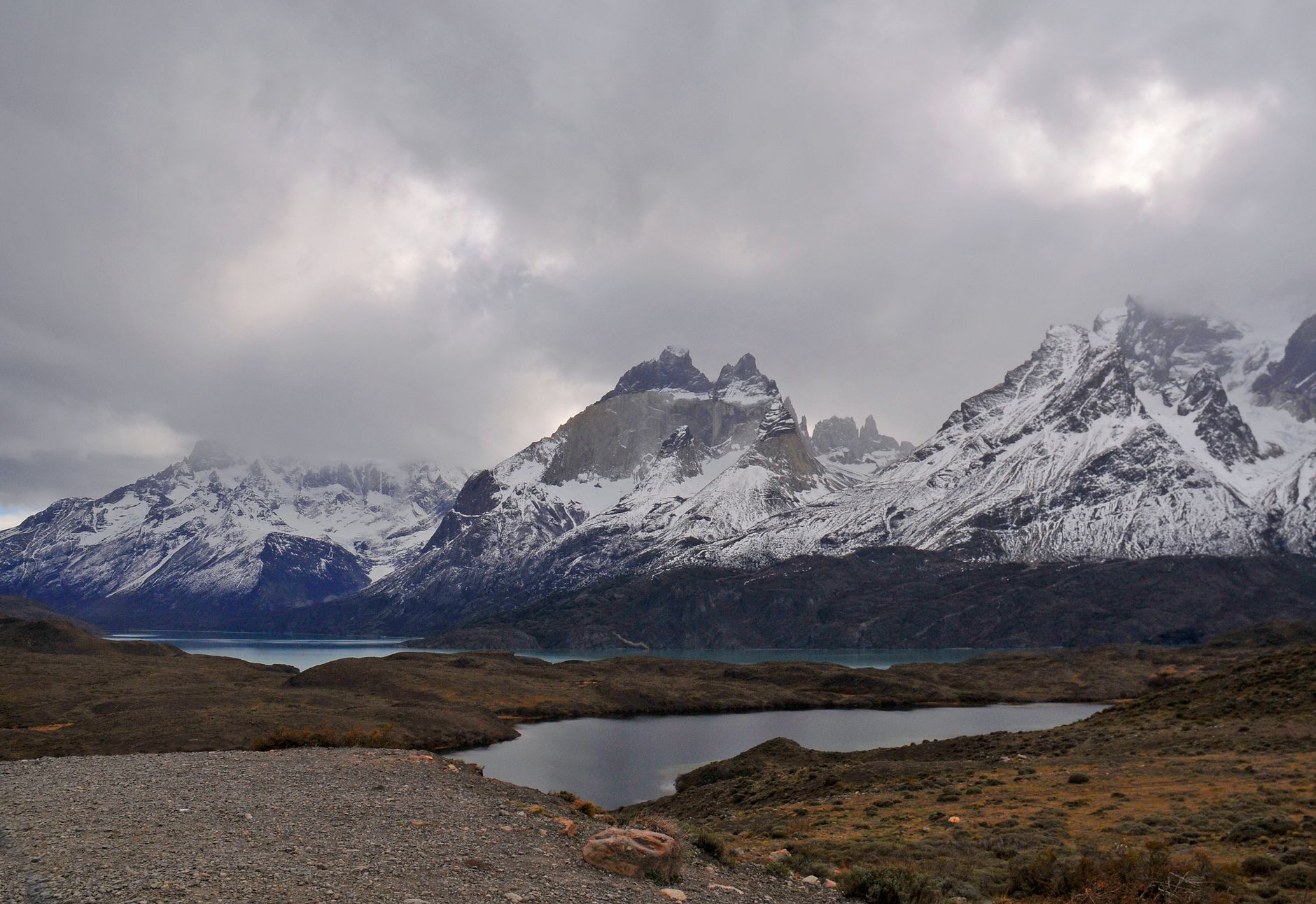
The best Patagonia route for first-time visitors
First-time travellers usually get the most out of a simple south-to-southwest route. A classic journey starts with a city arrival, then moves into the lakes and finishes with the best-known national park landscapes. That gives the holiday a proper arc, with softer acclimatisation at the start and the big scenery moments later on.
A strong route might include Buenos Aires, El Calafate, Puerto Natales and Torres del Paine, then add Bariloche or a Chilean lakes extension if you have the time. The exact order matters less than keeping the number of hotel changes sensible and leaving room for weather shifts, because Patagonia rewards flexibility.
A trip like this can also be widened into a broader South America holiday if you want to combine it with wine country, an Iguazú stop or a cruise-style extension elsewhere on the continent.
- Buenos Aires for food, culture and a softer arrival day
- El Calafate for glacier access and dramatic lake scenery
- Puerto Natales for an easy gateway into Torres del Paine
- Bariloche or the Chilean lakes for a slower scenic finish
When to travel and how long to stay
Patagonia has a very clear seasonality story, and timing makes a huge difference. The summer months in the southern hemisphere offer the most comfortable conditions for hiking and road travel, but the shoulder seasons can be excellent if you want fewer crowds and a more atmospheric feel.
For most UK travellers, 12 to 16 days is the sweet spot. That gives you enough time for the city, the lakes and the national parks without turning the holiday into a transit marathon. It also gives you breathing space when the weather turns, which is part of the Patagonia experience and not something to fear.
If you are travelling with children or with older relatives, the best approach is often to keep the walking light and focus on the viewpoints, boat trips and scenic drives rather than planning a full trekking itinerary.
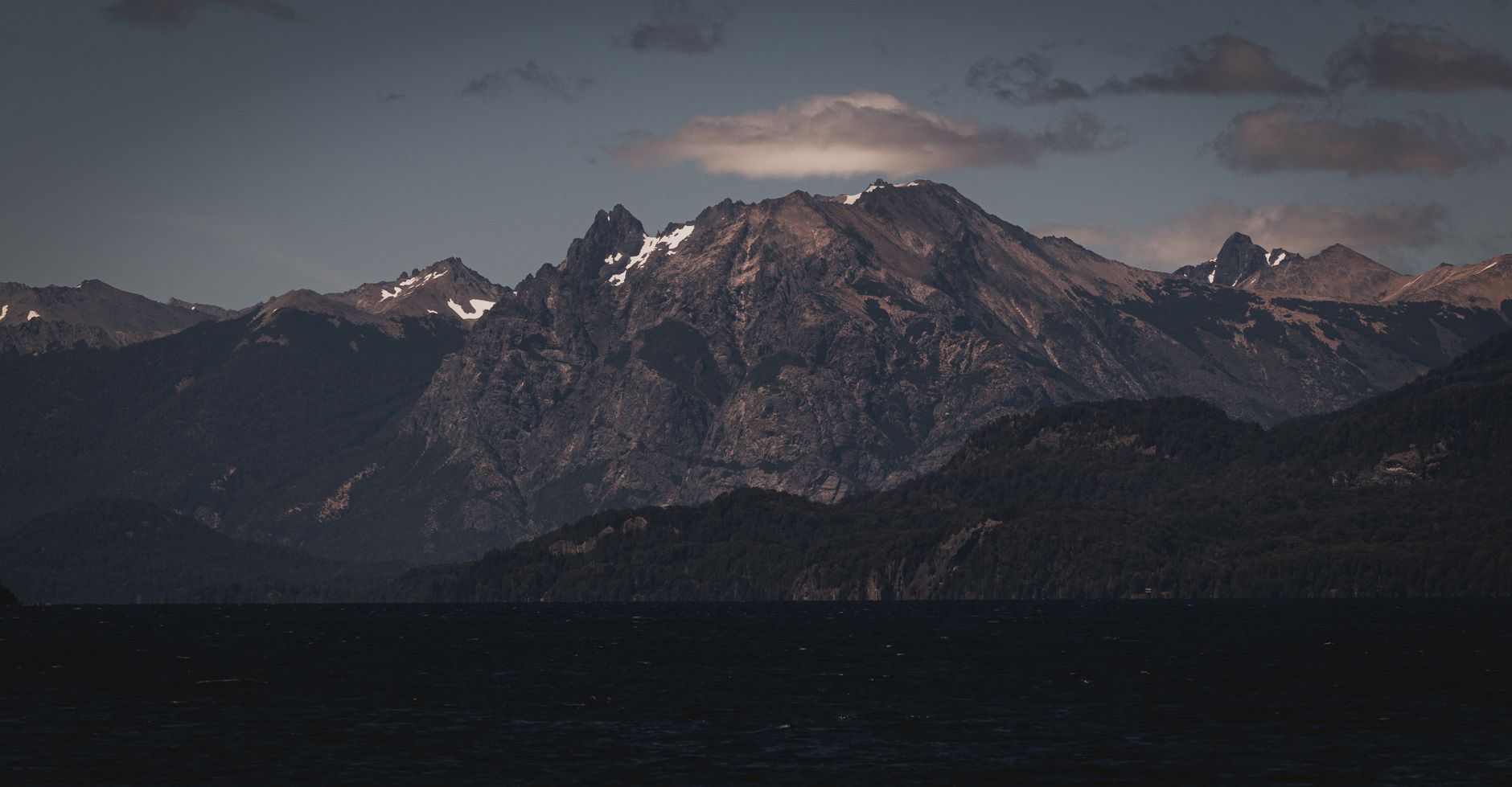
Who Patagonia suits best
Patagonia suits travellers who are happiest when the scenery is the main focus. Couples often love it because it feels dramatic and grown-up, while active travellers appreciate that there is always another valley, glacier or viewpoint to explore.
It is also excellent for photographers, bucket-list travellers and anyone who wants a trip that feels quite different from a standard beach holiday. Families can absolutely enjoy it too, especially if they prefer memorable experiences over resort time, but the holiday works best when the pace is realistic.
How to make a Patagonia itinerary feel premium, not rushed
The premium feeling in Patagonia comes from pacing. Fewer hotel changes, smart transfers, a couple of carefully chosen signature experiences and enough time in each region will make the trip feel much stronger than trying to tick off every possible stop.
That is also where a consultant adds real value: knowing when to choose a fly-and-drive, when to book a guided day, and when to simply leave a morning free. If you are comparing bigger-picture South America ideas, it is worth reading our guides to New Zealand holidays and South Africa holidays for other wide-open adventure styles, plus how to plan a multi-centre holiday if you want to combine destinations.Useful links and next steps
FAQ
How many days do I need for Patagonia?
Most UK travellers should plan for at least 12 days, with 14 to 16 days giving a much calmer balance between city time, transfers and the major scenic highlights.
Can Patagonia work as part of a bigger South America trip?
Yes. It pairs well with Buenos Aires, wine regions, the Chilean lakes or other long-haul extensions if you want to make the journey feel more rounded.
Is Patagonia suitable for families?
It can be, especially for older children and teens who enjoy nature and movement. The key is to keep the itinerary comfortable rather than overloading it with long hiking days.
What is the main benefit of booking Patagonia through a travel consultant?
The best value comes from route design. A consultant can reduce unnecessary transfers, improve the pace and make sure the holiday feels seamless from the UK onward.