Culture-Led Travel: Holidays That Let You Really Experience a Place
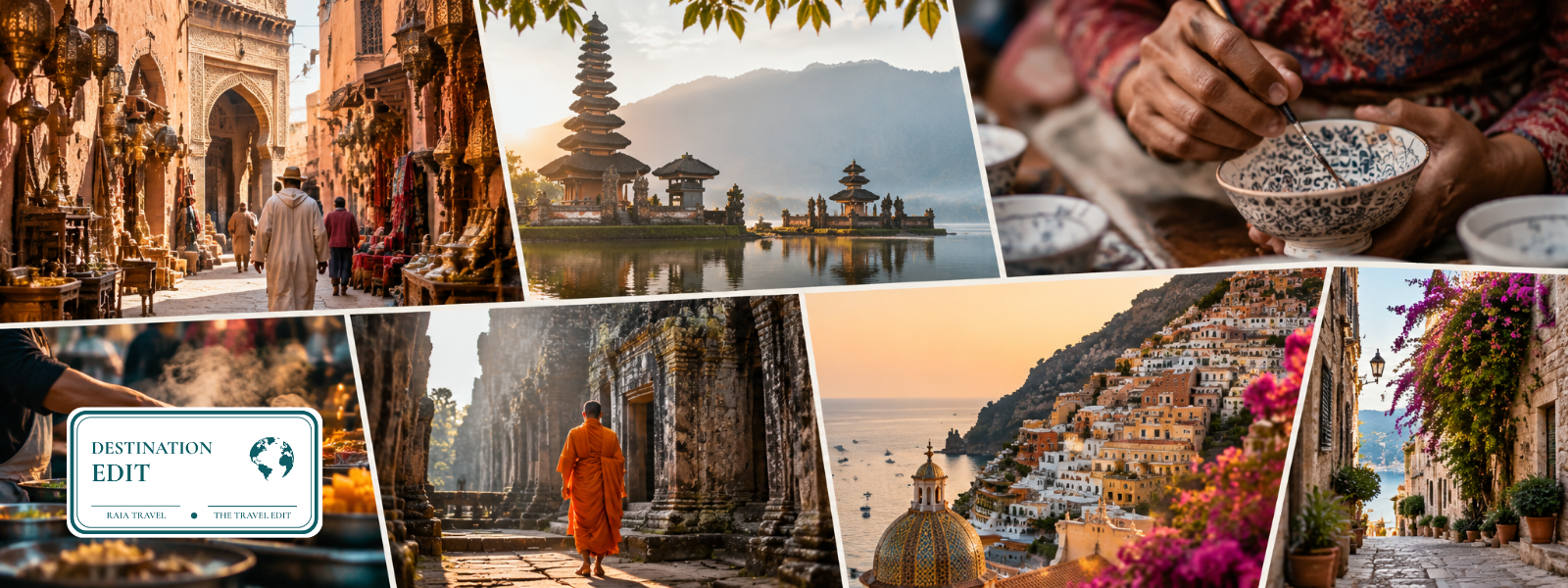
Some holidays are about stopping.
Some are about sunshine, water and doing as little as humanly possible.
And sometimes you travel because you want to understand somewhere.
Not just see the famous landmarks, take the photograph and move on - but eat the food, notice the architecture, hear the language, understand a little of the history and see how everyday life happens around you.
That's what I mean when I talk about culture-led travel.
It doesn't mean every day needs a guided tour.
It doesn't mean you need an encyclopaedic knowledge of the country before you arrive.
And it definitely doesn't mean returning home more exhausted than when you left.
It simply means allowing the place you've travelled to become part of the holiday.
What does culture-led travel actually mean?
For me, culture-led travel is about context.
You might visit a temple or museum because understanding its history changes how you see the city around it.
You might spend a morning wandering through a food market, take a cooking class with somebody who has made those dishes their whole life, or sit in a neighbourhood café watching normal life happen.
Sometimes it's a huge historical site you've dreamed about seeing for years.
Sometimes it's getting on a train and noticing how differently another country moves people around.
Sometimes it's dinner
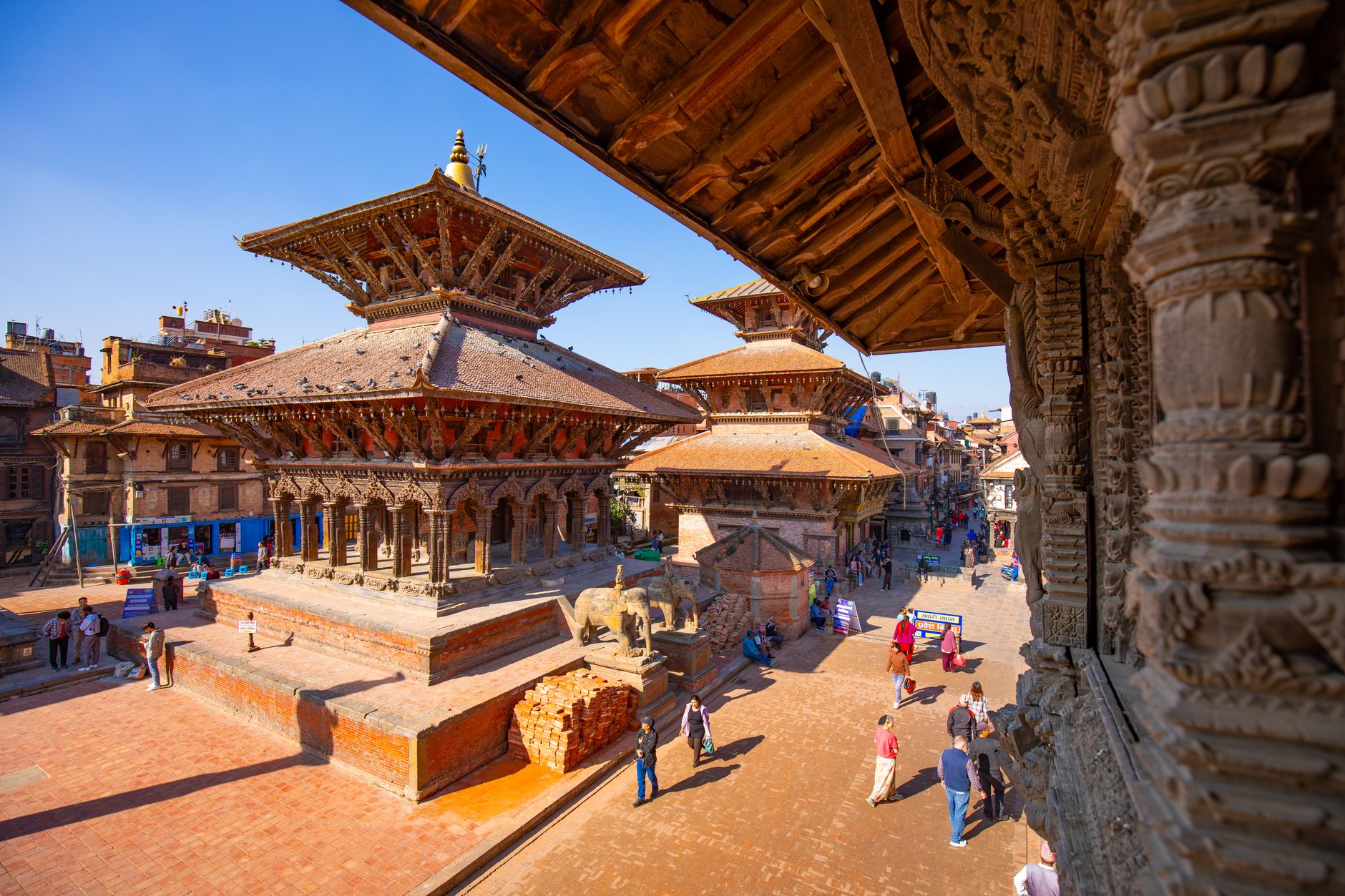
Photo by Volker Meyer on Pexels
Culture doesn't only live in museums.
It's in food, architecture, music, religion, language, family life, public spaces, traditions and the thousand tiny things people do differently from home.
And you don't have to experience all of them to come home understanding a place a little better.
You don't need to see everything
This is probably the biggest thing I'd change about the traditional cultural itinerary.
I don't want to see twelve temples simply because twelve temples exist.
I'd rather see the three that matter most to me, understand why they matter, and still have enough energy afterwards to enjoy where I am.
Because there's a point where fascinating becomes tiring.
Temple Number Nine isn't getting the version of me Temple Number One got. 😂
The same applies to museums, churches, palaces, archaeological sites and guided tours.
More doesn't automatically mean more meaningful.
Sometimes doing less allows you to notice more.
Destinations where culture can shape the journey
There are hundreds, but these are some of the destinations I think lend themselves particularly well to travelling this way.
Japan
Japan fascinates me because culture isn't confined to the obvious historical attractions.
You can experience it through temples and traditions, certainly, but also through trains, food, neighbourhoods, etiquette, technology and the contrast between somewhere like Tokyo and a quieter historic city.
It's the sort of destination where seemingly ordinary parts of the day can become part of the experience.
Best for: travellers who enjoy contrast, food, design, history and figuring out how places work.
→ Read the Japan guide https://yourtravelconsultant.co.uk/agents/raia/blog/japan-travel-guide-first-trip
Vietnam
Vietnam feels much more outward.
Food stalls, markets, scooters, cafés, waterways and busy streets mean everyday life is happening around you rather than tucked neatly away.
But I'd balance that energy.
A city followed by somewhere slower. A food experience alongside history. Time to wander rather than filling every hour with organised sightseeing.
Best for: travellers who want food, energy, history and plenty happening around them.
→ Read the Vietnam guide - COMING SOON!
Sri Lanka
Sri Lanka gives you an opportunity to combine cultural experiences with landscapes, wildlife and coast rather than making history the sole focus of the trip.
Ancient sites, tea country, trains, food, temples and local communities can all form part of the journey - but so can doing absolutely nothing beside the Indian Ocean afterwards.
And I like that balance.
Best for: travellers who want culture alongside nature rather than culture from breakfast until bedtime.
→ Read the Sri Lanka guide - COMING SOON!
Peru
Peru is somewhere I'd want to take slowly.
Machu Picchu may be the photograph everybody recognises, but reducing Peru to one extraordinary archaeological site misses so much of the story.
Landscape, Indigenous heritage, food and history all matter - and altitude alone is a fairly compelling argument for not trying to race through the itinerary.

Photo by Marvin Machler on Pexels
Best for: travellers who want history, extraordinary landscapes and a journey that builds gradually.
→ Read the Peru guide - COMING SOON!
Morocco
Morocco can be wonderfully sensory.
Markets, architecture, food, colour, craftsmanship, call to prayer, busy medinas - there can be a lot happening at once.
Which is precisely why I'd build in contrast.
Explore, then retreat.
Busy medina followed by a quiet riad courtyard. Marrakech followed by mountains or coast.
Best for: travellers who enjoy colour, food, design and atmosphere but appreciate somewhere calm to retreat to.
→ Read the Morocco guide - COMING SOON!
Turkey
Turkey is one of my favourite examples of why culture-led doesn't have to mean sacrificing the traditional holiday.
You can have your pool and your beach.
You can also eat locally, visit ancient sites, wander through markets and experience a country sitting across layers of Greek, Roman, Byzantine, Ottoman and modern history.
The two aren't mutually exclusive.
Best for: travellers who want an easy mixture of holiday and exploration.
→ Read the Turkey guide - COMING SOON!
Egypt
Egypt is perhaps the clearest example of why I'd rather have context than quantity.
The scale of the history is enormous.
Trying to consume all of it in one trip would probably finish me off. 😂
I'd rather understand what I'm looking at, choose the places that matter most, allow proper time for them - and then get myself into the Red Sea.
Best for: travellers fascinated by history who still want room to breathe.
→ Read my perfect Egypt itinerary
Culture-led doesn't mean culture-only
This is probably the most important distinction.
You are allowed to fly halfway around the world, spend three days absorbing extraordinary history and then spend two days lying beside a pool drinking something cold.
You haven't failed the destination.
In fact, I think contrast often makes the cultural parts of a journey more memorable.
That's why my dream Egypt itinerary ends at the Red Sea.
It's why I'd balance a busy Japanese city with somewhere slower.
And it's why I wouldn't schedule every available hour simply because I've travelled a long way to get there.
Rest isn't wasted travel time.
How much cultural immersion do you actually want?
This is where planning becomes personal.
One traveller might happily spend three hours with an Egyptologist discussing a tomb.
Their partner may reach their archaeological saturation point approximately eleven minutes after arrival.
Neither is travelling incorrectly.
Before building this kind of trip, I'd want to know:
- How much organised sightseeing do you actually enjoy?
- Do you like guides, or would you rather explore independently?
- Are food experiences important to you?
- Do you enjoy busy cities?
- How much downtime do you need?
- Would you rather understand three places deeply or glimpse ten?
- What made you interested in this destination in the first place?
Those answers matter far more to me than somebody else's list of “15 things you absolutely MUST do.”
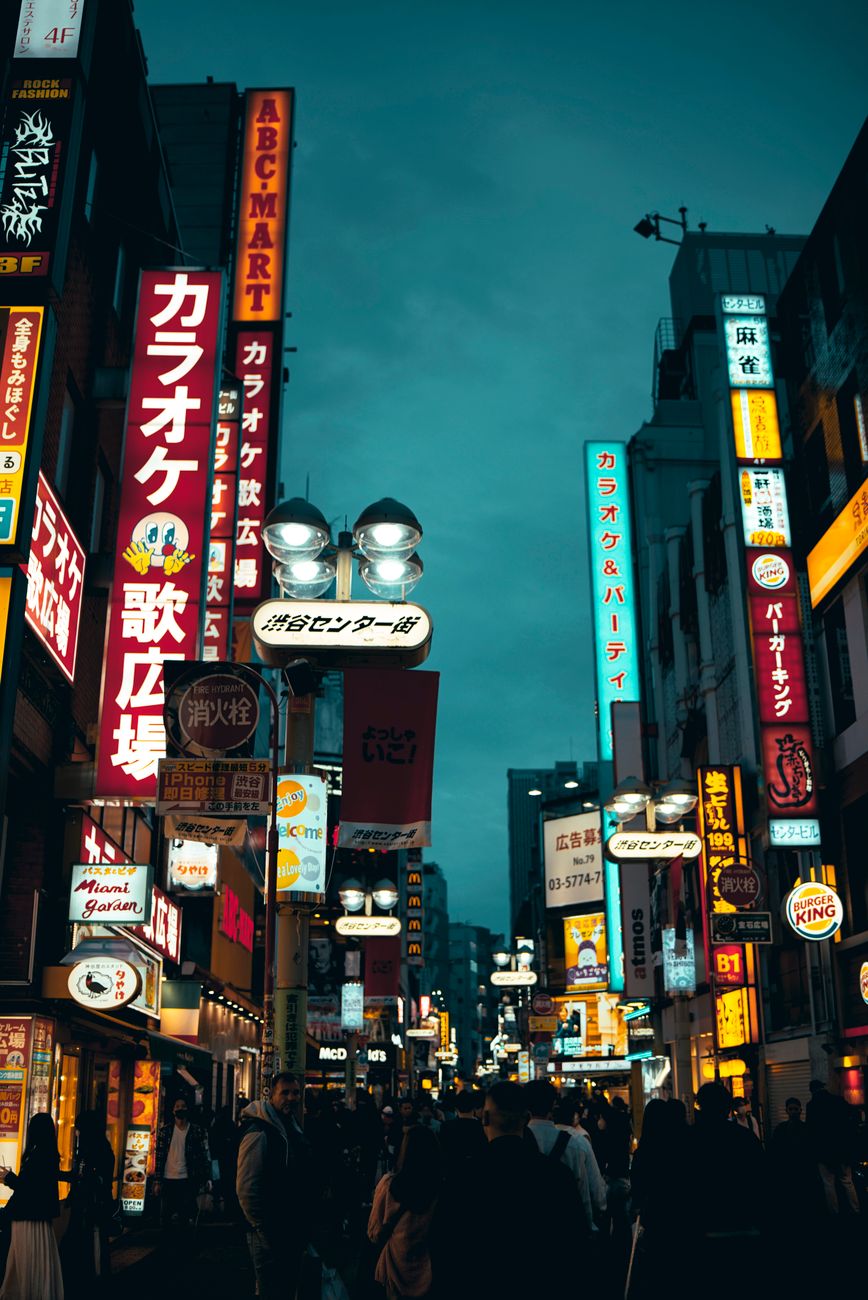
Photo by Albin Ejupi on Pexels
You don't need to perform travel
You don't have to come home having discovered yourself.
You don't need to avoid every tourist attraction because it's too touristy.
You don't have to eat something you hate to prove you're culturally adventurous.
And you don't need to pretend lying beside the hotel pool for an afternoon is somehow less worthy than visiting another museum.
Culture-led travel isn't about being a better traveller.
It's about being curious about where you've gone.
Ask questions. Try things. Learn something. Spend money with local businesses when you can. Understand a little about the people and history behind the destination.
And then have the holiday you actually want.
Choosing a journey with depth
The best cultural trips, for me, aren't the ones containing the most sights.
They're the ones where things start connecting.
Something your guide explains on Day Two suddenly makes sense when you see something on Day Six.
A dish you've eaten several times develops a story.
Architecture starts telling you something about history.
You begin noticing details you wouldn't have noticed when you arrived.
That's when a destination becomes more than somewhere you've been.
You start to understand it.
And you don't need to see everything for that to happen.
Sometimes you just need enough time to pay attention.