My Perfect Egypt Itinerary - And Why I’d Travel It This Way
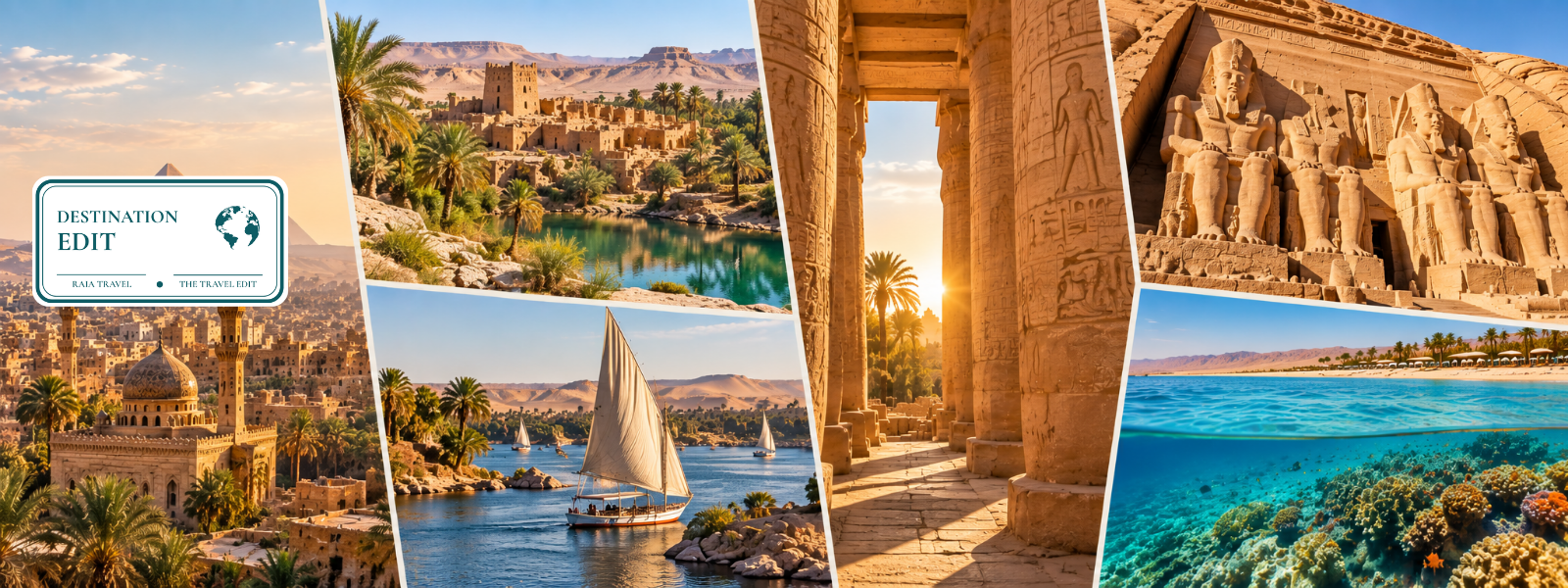
Egypt is one of those countries I don't want to simply visit.
I want to experience it properly.
Not rushed. Not overwhelmed. And definitely not reduced to a checklist where I spend two weeks being marched between monuments so I can say I've seen them.
I've always been fascinated by Egypt - the history, the culture, the architecture, the landscapes and, perhaps unsurprisingly for anyone who knows how much I love the ocean, the Red Sea.
So if I were planning my perfect first journey through Egypt, this is how I'd do it.
It isn't the fastest itinerary.
It probably isn't the most efficient itinerary either.
But that's rather the point.
It's not about seeing everything. It's about seeing the right things, in the right order - and having enough time to actually feel them.
Days 1–3: Cairo & Giza
Start with the big stuff
I'd start in Cairo because I think Egypt needs context before anything else.
Cairo is enormous, busy and unapologetically intense. And rather than trying to soften that, I'd lean into it.
This is where I'd give myself three days for the things I've spent years reading about.
The Pyramids of Giza and the Sphinx, obviously.
But I'd also make proper time for the Grand Egyptian Museum, rather than treating it as something to squeeze between other sights. The GEM is now central to the modern Cairo/Giza museum experience, making this an even stronger place to begin the historical story.
And I'd want a genuinely good guide.
Not someone whose job is simply to get me from Point A to Point B, but somebody who can explain what I'm actually looking at - because dates and dynasties are interesting, but context is what turns ancient stone into a story.
My perfect pause moment:
That first proper glimpse of the pyramids beyond modern Cairo.
I don't care how many photographs I've seen. I already know I'd be emotional.
Days 4–6: Siwa Oasis
And then I'd disappear
This is where my itinerary stops being particularly efficient.
Siwa is hundreds of kilometres west of Cairo, close to Egypt's border with Libya, and getting there takes the best part of a day by road. That's precisely why I wouldn't try to squeeze it into an overnight stop.
If I'm travelling that far, I want to actually be there.
After Cairo, I think I'd need the contrast.
Palm groves. Salt lakes. Desert. Springs. A completely different pace.
I'd want to see Shali, float in the salt lakes, learn something about Siwan culture and get out into the desert.
But mostly?
I'd want some silence.
That's part of why Siwa belongs in my Egypt itinerary. I'm not trying to create the fastest line between Egypt's most famous monuments. I'm trying to build a journey where every place feels different from the one before it.
My perfect pause moment:
Sunset after a day in the desert, when everything finally goes quiet.

Photo by Yassmeen Abdelaziz on Pexels
Day 7: Back to Cairo
Yes, an entire travel day
And this is where I'm going to commit an offence against Instagram itineraries everywhere:
I'm putting a boring travel day in my dream holiday.
Because travel days are real.
Siwa isn't conveniently sitting between Cairo and Aswan waiting for me to construct an aesthetically pleasing route around it.
I'd return to Cairo, stay overnight and fly south the following day.
No pretending I've teleported across Egypt.
No arriving somewhere magnificent absolutely knackered and immediately embarking on a twelve-hour sightseeing schedule.
Just travel.
Dinner.
Bed.
Not every day of a great holiday has to be exciting.
Days 8–9: Aswan
Let the pace change again
Then I'd head south to Aswan.
After Cairo and the Western Desert, arriving beside the Nile would feel like another completely different Egypt.
Aswan was historically Egypt's southern gateway, and today it combines ancient sites with Nubian heritage and life along the river.
This isn't where I'd want to race around ticking things off.
I'd want a felucca.
I'd want time around the Nile.
I'd want to experience some Nubian culture rather than simply photograph it.
And I'd want one of those evenings where absolutely nothing dramatic happens.
Just food, warm air and the river.
My perfect pause moment:
Sailing on the Nile as the sun drops.
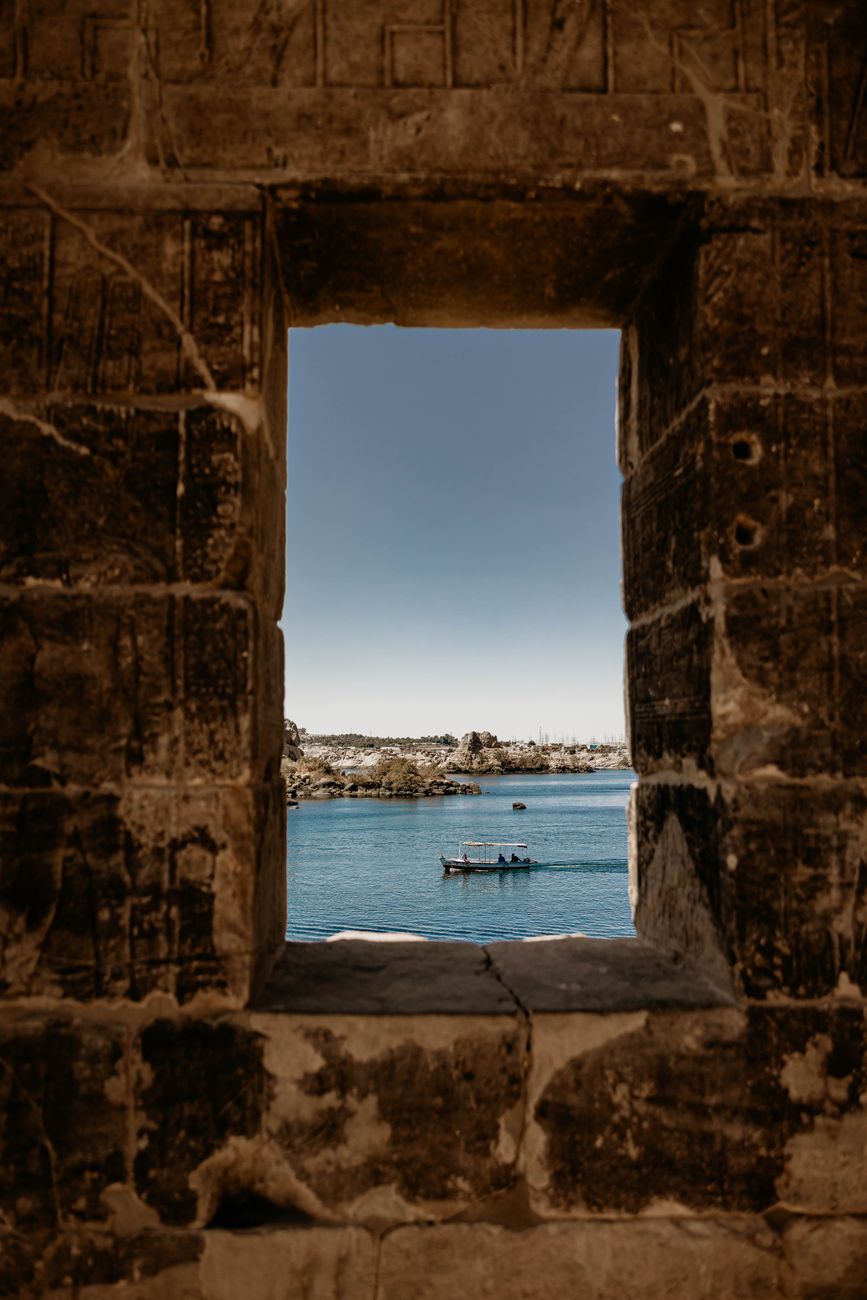
Photo by Eslam Mohammed Abdelmaksoud on Pexels
Day 10: Abu Simbel
The one I already know will get me
There are places you want to see because they're famous.
And then there are places you've read about for years and somehow developed an emotional attachment to before you've even been.
For me, that's Abu Simbel.
The Great Temple was cut into the rock for Ramesses II in the 13th century BCE, with four colossal seated figures dominating its façade. But the story that fascinates me almost as much as the temple itself is what happened thousands of years later.
When construction of the Aswan High Dam threatened the temples, they were dismantled and relocated in an international UNESCO-led rescue operation completed in 1968.
Ancient engineering rescued by modern engineering.
Of course I need to see it.
And yes, getting there from Aswan is a journey in itself - Abu Simbel lies around 300 km further south.
I won't care.
My perfect pause moment:
Standing underneath those colossal statues and having a little how the hell did humans do this? moment.
There may be tears.
Days 11–12: Luxor
Depth over distance
Luxor is where I could very easily become unbearable.
There is simply too much.
The Valley of the Kings. Karnak. Luxor Temple. Hatshepsut. Medinet Habu. Tombs, temples and thousands of years of history concentrated around one place.
And this is precisely where I'd have to resist my natural urge to say:
"Well, while we're here..."
Because that's how you end up seeing fifteen extraordinary things and properly experiencing none of them.
I'd choose carefully.
Valley of the Kings is non-negotiable. I'd pick a handful of the other sites I most want to understand and give them proper time.
The Nile corridor between Aswan and Luxor is only around 215 km, with temples including Edfu and Kom Ombo between them, so this section could also be adapted into a Nile cruise or slower river journey if time allowed.
And if I had more time?
I'd absolutely make the Nile journey part of the holiday rather than merely transferring between the two cities.
Because apparently my perfect two-week Egypt itinerary is already trying to become three weeks.
Nobody is surprised.
My perfect pause moment:
Standing somewhere in the Theban landscape after the guide has stopped talking, looking across those desert hills and realising just how much history is underneath them.
Day 13: From Ancient Stone to the Red Sea
And now I want blue
By this point my brain would be full.
Pyramids. Temples. Tombs. Pharaohs. Desert. Hieroglyphs. Several thousand years of history.
This is exactly when I'd head towards Marsa Alam.
And I love this transition.
Because after days dominated by sand, stone and the Nile, eventually the landscape opens onto the Red Sea.
That's the moment when my holiday stops asking anything of me.
My perfect pause moment:
The first glimpse of ridiculously blue water after days of desert.
Days 14–16: Marsa Alam
The exhale
And then I'd disappear into the Red Sea.
I'm happiest in or around the water anyway, so after nearly two weeks of cities, temples, tombs, desert and history, this is exactly where I'd want to finish.
Slow mornings.
Warmth.
Snorkelling.
Diving if I can.
A book I probably won't read because I'll be staring at the water.
And time to actually process everything I've just seen.
I wouldn't consider Marsa Alam the beach holiday we've tacked onto the end of the real Egypt.
For me, the Red Sea is part of the real Egypt.
Egypt's ancient civilisation is one reason I've wanted to visit for so long.
Its underwater world is another.
I want both.
My perfect pause moment:
Floating above the reef with sunlight moving across the water and absolutely nowhere I need to be.
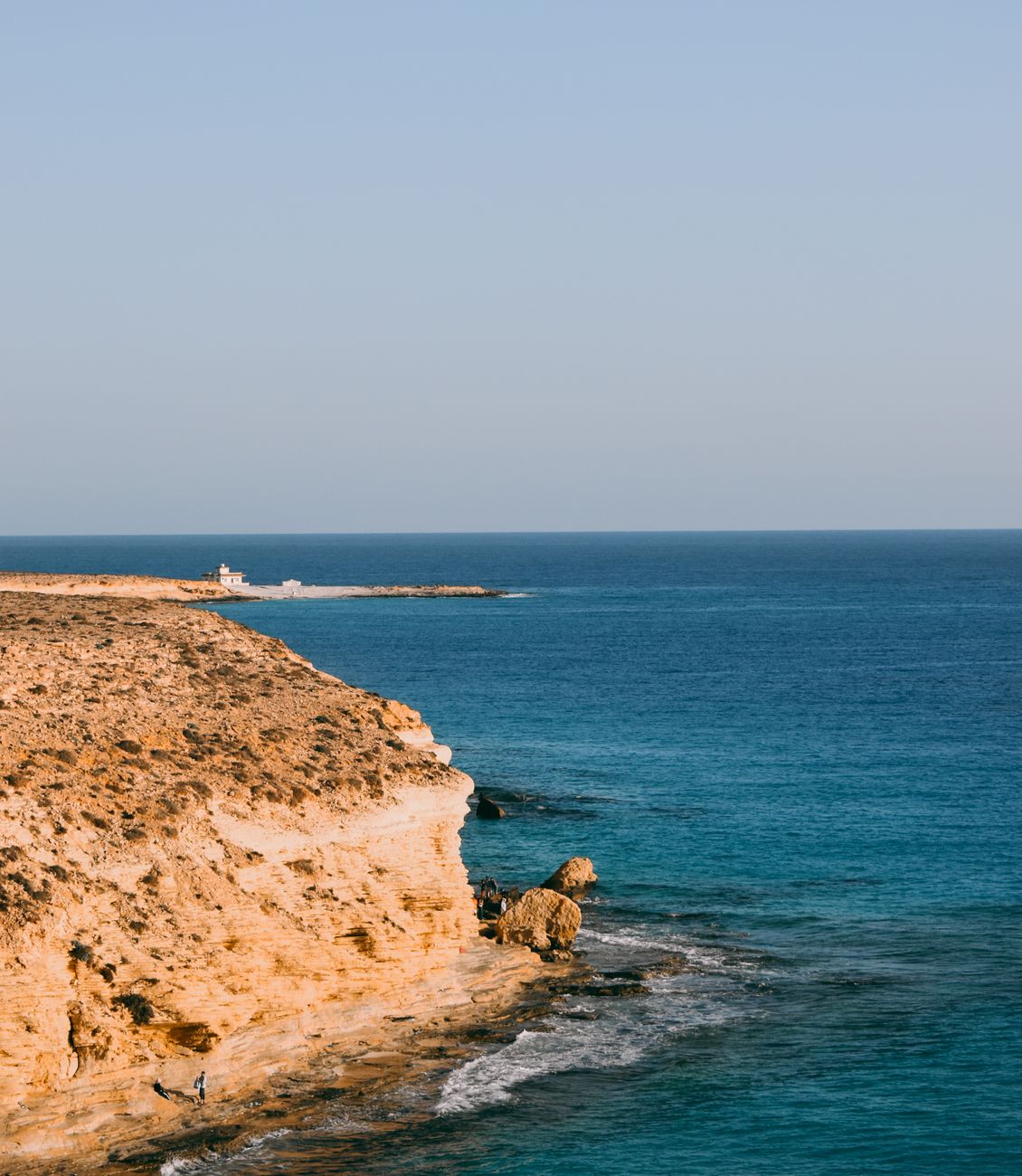
Photo by NADER AYMAN on Pexels
Why I'd travel Egypt this way
On paper, this isn't the neatest itinerary.
Siwa makes the logistics harder. I've deliberately allowed a day where almost nothing happens. I've refused to cram every temple in Upper Egypt into 48 hours.
And I've given several precious holiday days to doing very little beside the Red Sea.
That's intentional.
The journey has a rhythm:
Big → still → slow → deep → calm.
Cairo gives me scale and context.
Siwa gives me contrast.
Aswan slows everything down.
Abu Simbel and Luxor give me the depth of history I've come all this way to experience.
And Marsa Alam lets me exhale afterwards.
That's how I like to think about travel.
Not simply:
What can we fit in?
But:
How will this trip actually feel while we're living it?
The honest truth
This isn't the quickest way to see Egypt.
And if somebody came to me with fewer days, different interests or children who would stage a coup somewhere around Temple Number Four, I wouldn't automatically give them this itinerary.
Because it's my perfect Egypt.
Yours might be completely different.
You might swap Siwa for more time cruising the Nile. You might want Alexandria. You might happily spend every available day exploring ancient sites. Or you might want Cairo, Luxor and ten uninterrupted days underwater in the Red Sea.
That's the point.
A great itinerary shouldn't simply contain the places somebody says you ought to see.
It should make sense for the person actually travelling.
For me, that means allowing time for the journeys, the contrasts and the quiet moments between the landmarks.
Egypt becomes more than a list of things I've finally seen.
It becomes a story.
And this is the version I've always dreamed of.