Sri Lanka Holidays from the UK: Beaches, Wildlife and Cultural Heritage for 2026
Why Choose Sri Lanka for Your Next Holiday?
Sri Lanka has emerged as one of the most exciting holiday destinations from the UK in 2026. This Indian Ocean island offers an extraordinary combination of pristine beaches, incredible wildlife, ancient cultural heritage, and lush hill country—all within a relatively compact area. Unlike larger destinations where you might spend days travelling between highlights, Sri Lanka allows you to experience beaches, safaris, tea plantations and temples within a single two-week holiday.
The island's appeal lies in its diversity. You can start your morning watching elephants bathe in a national park, spend your afternoon exploring a 5th-century rock fortress, and finish your day with sunset drinks on a palm-fringed beach. Add in some of the friendliest people you'll meet anywhere, exceptional cuisine, and excellent value compared to other luxury beach destinations, and it's easy to see why Sri Lanka bookings from UK travellers have grown significantly.

Best Beach Resorts in Sri Lanka
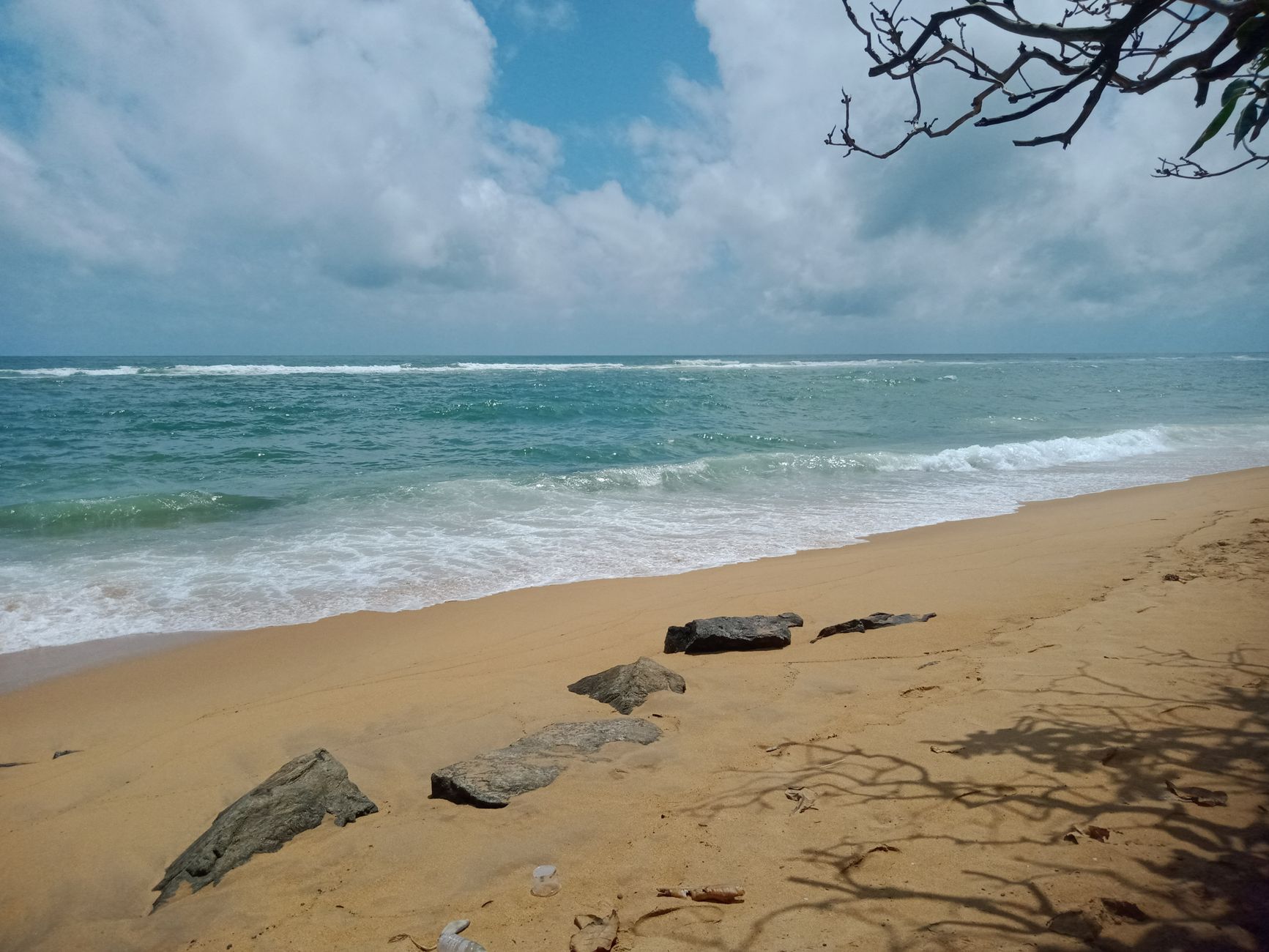
Sri Lanka's coastline offers beautiful beaches with far fewer crowds than Thailand or the Maldives. The south-west coast (Bentota, Hikkaduwa, Unawatuna) is best visited from November to April when seas are calm and skies are clear. These areas offer a mix of boutique hotels, family-friendly resorts, and romantic beachfront villas. The beaches here are perfect for swimming, snorkelling, and simply relaxing with a book.
For a more laid-back atmosphere, head to the south coast around Mirissa and Tangalle. Mirissa is famous for whale watching (blue whales migrate past from December to April), while Tangalle offers long, quiet beaches backed by coconut groves. The east coast (Trincomalee, Arugam Bay, Passikudah) comes into its own from May to September when the south-west monsoon makes the west coast wet. Arugam Bay is a surfer's paradise, while Passikudah offers shallow, safe waters ideal for families.
Most UK travellers combine a week's beach time with a week of cultural and wildlife touring inland. This gives you the best of both worlds—adventure and relaxation in one trip.
Wildlife Safaris and National Parks
Sri Lanka punches well above its weight when it comes to wildlife. The island has the highest density of leopards in the world, as well as elephants, sloth bears, crocodiles and over 400 bird species. Yala National Park in the south-east is the most famous safari destination, renowned for leopard sightings. February to June offers the best game viewing when water sources dry up and animals concentrate around remaining waterholes.
Udawalawe National Park is the best place to see elephants. Large herds gather around the reservoir, and sightings are virtually guaranteed. Unlike African safaris, Sri Lankan game drives tend to be shorter (half-day rather than full-day), which suits families and those who prefer to mix wildlife with other activities. Minneriya and Kaudulla National Parks in the Cultural Triangle host "The Gathering"—one of the largest wild elephant gatherings in the world—from July to September.

Cultural Sites: The Cultural Triangle
Sri Lanka's Cultural Triangle—the area between Anuradhapura, Polonnaruwa and Kandy—is home to eight UNESCO World Heritage Sites. The star attraction is Sigiriya Rock Fortress, a 5th-century palace built atop a 200-metre rock outcrop. The climb to the top (around 1,200 steps) is steep but manageable for most people, and the views across the jungle canopy are spectacular.
Nearby Dambulla Cave Temple houses over 150 Buddha statues in five caves adorned with intricate murals. Polonnaruwa is a sprawling ancient city best explored by bicycle, while Kandy—Sri Lanka's cultural capital—is home to the Temple of the Sacred Tooth Relic, one of Buddhism's most important shrines. Time your visit for the Esala Perahera festival (July/August) to witness one of Asia's most colourful religious processions.
Don't miss the ancient city of Anuradhapura, Sri Lanka's first capital, with sacred Bodhi trees and enormous dagobas (stupas) dating back over 2,000 years.
Tea Country and Hill Stations
The central highlands offer a complete change of pace and climate from the coast. Nuwara Eliya, known as "Little England", sits at 1,800 metres and retains a distinctly colonial character with its cool climate, golf course, and Tudor-style architecture. The surrounding area is carpeted in emerald-green tea plantations—Sri Lanka is one of the world's largest tea producers.
A visit to a tea factory is fascinating. You'll see the entire process from plucking to packing, and of course enjoy tastings of Ceylon tea. The train journey from Kandy to Ella is one of the world's most scenic rail routes, winding through tea estates, waterfalls, and mountain passes. Many travellers break the journey in Ella, a small mountain town popular with hikers. The climb up Ella Rock or Little Adam's Peak rewards you with panoramic views across the hill country.

When to Visit Sri Lanka from the UK
Sri Lanka has two monsoon seasons, but there's always somewhere with good weather. November to April is peak season for the west and south-west coasts and the Cultural Triangle—this is the most popular time for UK travellers escaping winter. Expect sunshine, warm seas, and dry conditions, but also higher prices and busier resorts.
May to September is the best time for the east coast (Trincomalee, Arugam Bay). The rest of the island can be wetter during these months, though showers are often short and sharp rather than all-day rain. If you're flexible with your dates, visiting during the shoulder seasons (April/May or September/October) can offer good value and fewer crowds.
How to Book Your Sri Lanka Holiday from the UK
Sri Lanka is not a typical package holiday destination. Most holidays are tailor-made, combining hotels, private transfers, and tours based on your interests and pace of travel. A typical two-week itinerary might include Colombo arrival, Cultural Triangle (3-4 nights), hill country (2 nights), a safari (2 nights), and a beach resort (5-6 nights).
We recommend working with a specialist travel consultant who can design an itinerary that balances sightseeing with relaxation, arrange reliable drivers and guides, and select accommodation that suits your style and budget. Sri Lanka caters to all budgets—from boutique guesthouses and heritage properties to luxury beach resorts and private villas.
ATOL protection is essential. Make sure your booking includes financial protection in case of supplier failure. Direct bookings with overseas hotels don't offer this safeguard, whereas booking through a UK-based agent ensures your money is protected.
Ready to start planning your Sri Lanka adventure? Contact a specialist travel consultant who can design a bespoke itinerary, arrange all logistics, and ensure every detail is taken care of.
Frequently Asked Questions
Do I need a visa to visit Sri Lanka from the UK?
Yes, UK citizens need an Electronic Travel Authorization (ETA), which costs around USD $50 and can be applied for online before departure. It's valid for 30 days.
How long is the flight to Sri Lanka from the UK?
Direct flights from London to Colombo take around 10-11 hours. Several airlines offer direct services, including British Airways and Sri Lankan Airlines.
Is Sri Lanka safe for families?
Yes, Sri Lanka is a family-friendly destination. The beaches are safe, the people are welcoming, and there are plenty of activities suitable for children, from wildlife safaris to train journeys and cultural visits.
What currency is used in Sri Lanka?
The Sri Lankan Rupee (LKR). It's best to exchange money on arrival or use ATMs. Credit cards are widely accepted in hotels and larger restaurants, but carry cash for smaller establishments and markets.
Can I combine Sri Lanka with the Maldives?
Absolutely. Many UK travellers do a 10-day cultural and wildlife tour of Sri Lanka followed by 5-7 days in the Maldives for beach relaxation. The two destinations are just a short flight apart and complement each other perfectly.