Sri Lanka Holidays from the UK: Temples, Beaches and Wildlife for 2026

Sri Lanka has emerged as one of the most exciting holiday destinations from the UK in 2026. This island nation in the Indian Ocean offers a remarkable blend of ancient temples, golden beaches, lush tea plantations, and incredible wildlife encounters — all within a relatively compact area that makes it perfect for a two-week adventure.
Whether you're drawn to the cultural riches of the Cultural Triangle, the pristine beaches of the south coast, or the misty highlands of tea country, Sri Lanka delivers an unforgettable experience that rivals better-known Asian destinations at a fraction of the cost.
Why Choose Sri Lanka for Your 2026 Holiday?
Sri Lanka punches well above its weight when it comes to holiday experiences. The island is roughly the size of Ireland, yet it boasts eight UNESCO World Heritage Sites, ranging from ancient rock fortresses to colonial-era cities. You can explore 5th-century frescoes at Sigiriya Rock Fortress in the morning, safari through Yala National Park spotting leopards in the afternoon, and watch the sun set over the Indian Ocean from a palm-fringed beach by evening.
Direct flights from London to Colombo take around 10-11 hours, making Sri Lanka accessible for a fortnight's holiday or longer. The favourable exchange rate means your pound stretches further, with luxury hotels, private drivers, and guided experiences available at prices that would seem extravagant elsewhere. If you're considering other Indian Ocean destinations, you might also explore Maldives holidays or Mauritius breaks for comparison.

The Cultural Triangle: Temples and Ancient Cities
The Cultural Triangle in central Sri Lanka is home to some of the island's most significant historical sites. Sigiriya, often called the Eighth Wonder of the World, is a 5th-century rock fortress with breathtaking frescoes and gardens. The climb to the summit rewards you with panoramic views across the jungle canopy.
Nearby, the cave temples of Dambulla house hundreds of Buddha statues and vivid ceiling murals that have survived for over 2,000 years. The ancient city of Polonnaruwa offers extensive ruins from the medieval capital, best explored by bicycle in the early morning before the heat sets in. Anuradhapura, one of the oldest continuously inhabited cities in the world, features sacred fig trees, towering dagobas (stupas), and monasteries that remain active pilgrimage sites today.
South Coast Beaches: Galle to Mirissa
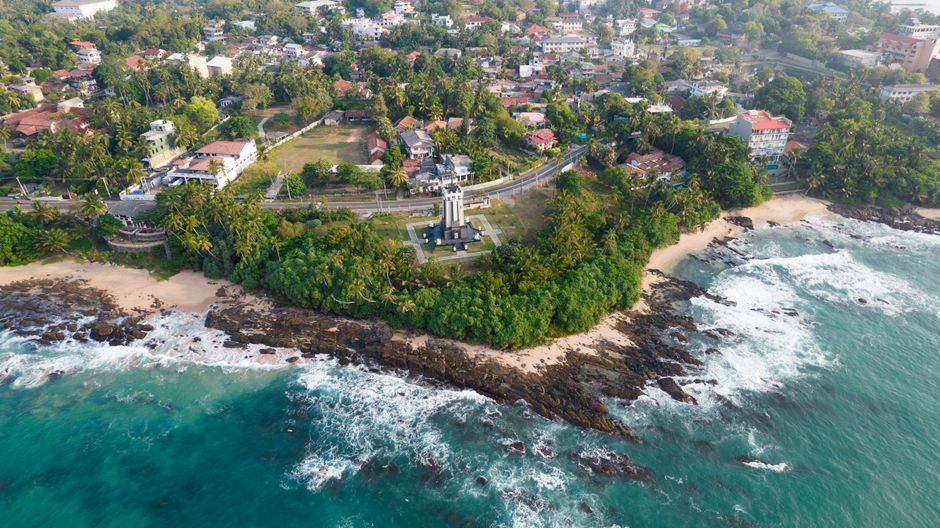
Sri Lanka's southern coastline rivals any beach destination in Asia. Unawatuna offers a sheltered crescent bay ideal for swimming and snorkelling, with beachfront restaurants serving fresh seafood and coconut curries. Mirissa, further west, is the whale watching capital of Sri Lanka — between November and April, blue whales and sperm whales migrate past the coast, and sightings are frequent.
Galle, a UNESCO World Heritage Site, combines beach proximity with colonial history. The 17th-century Dutch fort, with its ramparts, lighthouse, and boutique hotels, makes for atmospheric evening strolls. Tangalle offers a quieter, more laid-back beach scene with golden sands and fewer crowds, perfect for couples seeking relaxation.

Wildlife Safaris and National Parks
Sri Lanka is one of the best destinations in Asia for wildlife encounters. Yala National Park has one of the highest densities of leopards in the world, and early morning safaris offer genuine chances of spotting these elusive big cats, along with elephants, sloth bears, and crocodiles. Udawalawe National Park is particularly good for elephant sightings, with large herds congregating around the reservoir.
For a more intimate experience, Minneriya National Park hosts "The Gathering" between July and September, when hundreds of elephants converge on the park's grasslands — one of the greatest wildlife spectacles in Asia. Birdwatchers will find Sri Lanka a paradise, with over 400 species recorded, including many endemics found nowhere else on Earth.
Tea Country and the Hill Stations
The central highlands around Nuwara Eliya and Ella offer a complete change of pace and climate. The cool, misty air and terraced tea plantations create a landscape reminiscent of the English countryside, albeit with far more dramatic scenery. The train journey from Kandy to Ella is widely regarded as one of the most scenic rail trips in the world, winding through emerald hills and past cascading waterfalls.
Ella itself is a backpacker favourite but offers charm for all travellers. Hike to Ella Rock or Little Adam's Peak for sunrise views, visit a working tea estate to see how Ceylon tea is produced, or simply relax in a hilltop guesthouse with a pot of freshly brewed tea. The Nine Arches Bridge, an engineering marvel from the colonial era, makes for stunning photographs as trains pass over the viaduct framed by jungle.
Practical Tips for Booking Your Sri Lanka Holiday
The best time to visit depends on which coast you're exploring. The west and south coasts enjoy dry, sunny weather from November to April, making this peak season for beach holidays. The east coast (Trincomalee, Arugam Bay) is best from May to September. For the Cultural Triangle and hill country, the weather is generally favourable year-round, though April and May can be particularly hot.
Most UK travellers book a tailor-made itinerary that combines cultural sites, beaches, and wildlife. A typical two-week trip might include Colombo arrival, the Cultural Triangle (3-4 nights), Kandy and tea country (2-3 nights), a safari (1-2 nights), and the south coast beaches (4-5 nights). Private drivers are affordable and remove the stress of navigating unfamiliar roads, while internal flights can save time on longer journeys.
Visas are required for UK passport holders but are easily obtained online as an Electronic Travel Authorisation (ETA) before departure. The Sri Lankan rupee offers excellent value, and most hotels, restaurants, and tour operators accept major credit cards, though it's wise to carry some cash for smaller vendors and tuk-tuk rides.
Frequently Asked Questions
Is Sri Lanka safe for UK tourists in 2026?
Yes, Sri Lanka is generally safe for tourists. The Foreign Office provides up-to-date travel advice, and the tourism infrastructure is well-established. As with any destination, exercise normal precautions with valuables and be aware of your surroundings.
How long should I spend in Sri Lanka?
A minimum of 10-14 days allows you to see the main highlights without feeling rushed. Three weeks gives you time to explore more remote areas and relax at a slower pace.
Do I need vaccinations for Sri Lanka?
Routine vaccinations should be up to date. Hepatitis A and typhoid are recommended for most travellers. Malaria risk is low in tourist areas but consult your GP or a travel health clinic for personalised advice.
What's the best way to get around Sri Lanka?
Hiring a private driver is the most comfortable and flexible option for first-time visitors. Trains are scenic and affordable but can be slow. Domestic flights connect Colombo with key destinations if time is limited.
Can I drink tap water in Sri Lanka?
It's advisable to stick to bottled water throughout your stay. Most hotels provide complimentary bottled water, and it's widely available at shops and restaurants.
Ready to explore the wonders of Sri Lanka? Our travel consultants can create a tailor-made itinerary that matches your interests and budget, with ATOL protection and expert advice at every step. Contact a travel consultant today to start planning your 2026 Sri Lankan adventure.