Vietnam Holidays from the UK: Ha Long Bay, Hanoi and Booking Tips for 2026

Vietnam has become one of Asia's most compelling holiday destinations for UK travellers in 2026. This Southeast Asian nation stretches over 1,000 miles from north to south, offering a captivating blend of French colonial charm, ancient temples, bustling street markets, pristine beaches, and some of the most dramatic landscapes you'll find anywhere on Earth.
From the karst limestone islands of Ha Long Bay to the lantern-lit streets of Hoi An, Vietnam delivers cultural richness, natural beauty, and exceptional value for money. Direct flights from London to Hanoi and Ho Chi Minh City make Vietnam more accessible than ever, and the warm hospitality of the Vietnamese people ensures a memorable experience for first-time visitors and seasoned travellers alike.
Why Vietnam Should Be on Your 2026 Travel List
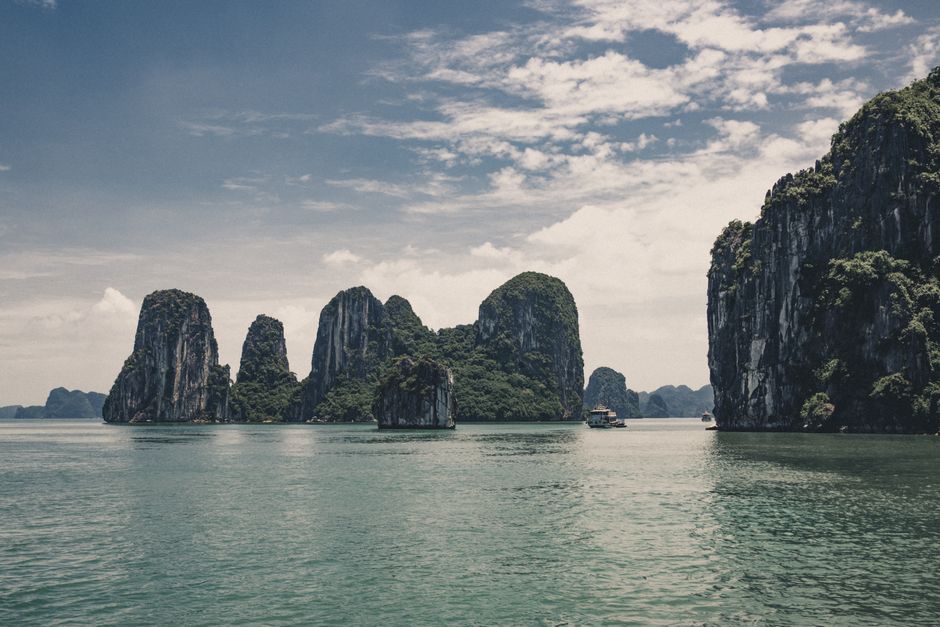
Vietnam offers an extraordinary diversity of experiences within a single trip. You can explore the bustling Old Quarter of Hanoi, where motorbikes weave through narrow streets lined with street food vendors and silk shops. Take an overnight cruise through the emerald waters of Ha Long Bay, past towering limestone pillars that rise dramatically from the sea. Wander the UNESCO-listed streets of Hoi An at dusk, when hundreds of silk lanterns illuminate the riverside. Trek through terraced rice paddies in Sapa, home to colourful hill tribes. Or simply relax on the white-sand beaches of Phu Quoc or Nha Trang.
The cost of travel in Vietnam is remarkably affordable. Luxury hotels, private tours, and fine dining are available at a fraction of UK prices, meaning you can indulge without breaking the bank. If you're considering other Southeast Asian destinations, you might also explore Thailand holidays or Bali breaks for comparison.

Ha Long Bay: A Natural Wonder
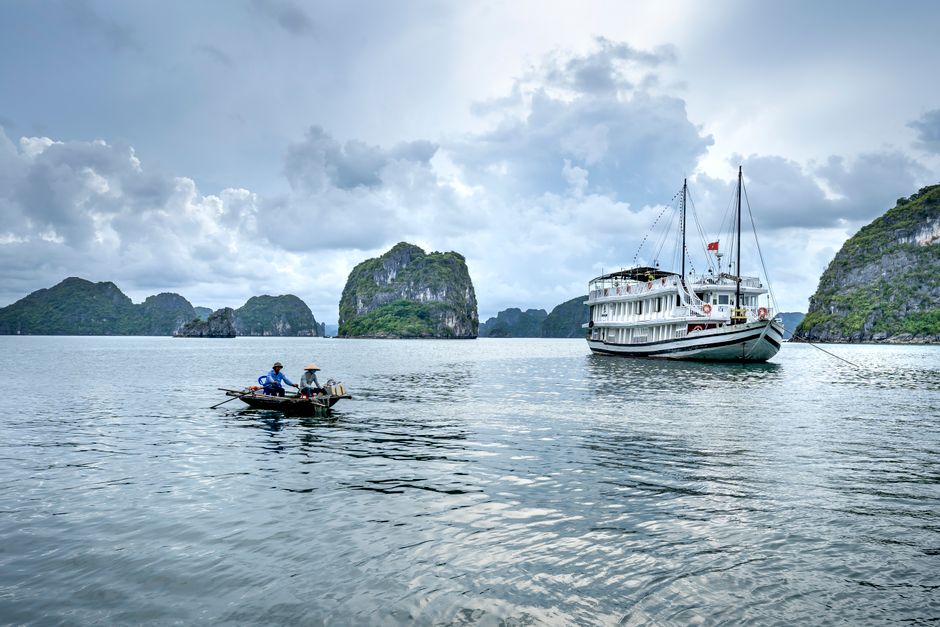
Ha Long Bay, a UNESCO World Heritage Site, is Vietnam's most iconic landscape. Over 1,600 limestone islands and islets rise from the Gulf of Tonkin, creating a seascape that appears almost otherworldly. Most visitors take an overnight cruise, allowing time to kayak through hidden lagoons, explore vast caves adorned with stalactites, and watch the sunrise from the deck as mist clings to the karst peaks.
Traditional wooden junks offer a romantic, old-world experience, while modern cruise ships provide five-star comfort with spa treatments, gourmet dining, and spacious cabins. Whichever you choose, waking up surrounded by the silent beauty of Ha Long Bay is an experience you won't forget. For a quieter alternative, consider nearby Lan Ha Bay or Bai Tu Long Bay, which offer similar scenery with fewer tourist boats.
Hanoi: The Capital's Chaotic Charm
Hanoi, Vietnam's capital, is a city of contrasts where ancient pagodas sit beside French colonial villas and modern high-rises. The Old Quarter is the heart of the action, a labyrinth of 36 streets each historically dedicated to a single trade — Silk Street, Silver Street, Coffin Street. Today, these lanes overflow with motorbikes, street food stalls, and vendors selling everything from fresh flowers to handmade crafts.
Don't miss the Temple of Literature, Vietnam's first university dating back to 1070, or the somber beauty of Ho Chi Minh's Mausoleum and the One Pillar Pagoda. Hoan Kiem Lake offers a peaceful retreat in the city centre, especially at dawn when locals practice tai chi along its shores. In the evening, settle into a plastic stool at a street-side bia hoi (fresh beer) joint and watch Hanoi's vibrant street life unfold around you.
Hoi An: A Living Museum
Hoi An is one of the best-preserved trading ports in Southeast Asia and a UNESCO World Heritage Site. The old town, with its mustard-yellow colonial buildings, Chinese shophouses, and Japanese covered bridge, feels like a living museum. By day, explore the narrow lanes, visit ancient merchant houses, and watch artisans craft lanterns by hand. By night, the town transforms into a magical wonderland as thousands of silk lanterns are lit, reflecting in the Thu Bon River.
Hoi An is also famous for its tailor shops — you can have custom-made suits, dresses, or shirts created in as little as 24 hours at incredibly reasonable prices. The nearby An Bang and Cua Dai beaches offer golden sands and calm waters, perfect for a lazy afternoon. Don't leave without trying cao lau, Hoi An's signature noodle dish, or taking a cooking class to learn the secrets of Vietnamese cuisine.
Ho Chi Minh City and the Mekong Delta
Ho Chi Minh City, formerly Saigon, is Vietnam's economic powerhouse and largest city. It's faster-paced and more modern than Hanoi, with sleek skyscrapers, rooftop bars, and a thriving café culture. The War Remnants Museum provides a sobering but essential insight into the Vietnam War, while the Reunification Palace and Notre-Dame Cathedral Basilica reflect the city's French colonial past.
From Ho Chi Minh City, the Mekong Delta is easily accessible for day trips or overnight stays. This vast river delta is a network of waterways, floating markets, fruit orchards, and rice paddies. Cruise along narrow canals in a sampan, visit a traditional brick kiln or rice paper workshop, and sample exotic fruits like dragon fruit and rambutan at a riverside homestay. The Cai Rang floating market near Can Tho is a photographer's dream, with vendors selling produce from wooden boats piled high with pineapples, coconuts, and vegetables.
Beaches and Islands: Phu Quoc and Nha Trang
Vietnam's coastline stretches over 2,000 miles, offering superb beach destinations. Phu Quoc, an island in the Gulf of Thailand, has emerged as Vietnam's premier beach resort, with luxury hotels, pristine sands, and excellent snorkelling and diving. Long Beach on the west coast is the main strip, while the north and east coasts remain quieter and more undeveloped.
Nha Trang, on the central coast, is Vietnam's original beach resort town. The long crescent bay is backed by a promenade lined with seafood restaurants and beach clubs. Nearby islands offer day trips for snorkelling and diving, and the Po Nagar Cham Towers provide a glimpse into the ancient Champa civilisation that once ruled this region.
Booking Your Vietnam Holiday: Practical Tips
Vietnam is a year-round destination, though the best time to visit depends on which region you're exploring. Northern Vietnam (Hanoi, Ha Long Bay, Sapa) is best from October to April, when temperatures are cooler and rainfall is lower. Central Vietnam (Hoi An, Hue) enjoys dry weather from February to August. Southern Vietnam (Ho Chi Minh City, Mekong Delta, Phu Quoc) is warm year-round, with the dry season running from November to April.
A typical two-week Vietnam itinerary might include Hanoi and Ha Long Bay (4 nights), Hoi An (3 nights), Ho Chi Minh City and the Mekong Delta (3 nights), and a beach stay in Phu Quoc or Nha Trang (4 nights). Internal flights are affordable and save time on longer journeys, though the Reunification Express train from Hanoi to Ho Chi Minh City is a scenic multi-day adventure for those with time to spare.
UK passport holders require a visa for Vietnam, which can be obtained as an e-visa online before departure or on arrival at major airports. The Vietnamese dong is the local currency, and while ATMs are widespread, it's wise to carry some US dollars for rural areas. English is widely spoken in tourist areas, and Vietnam is generally very safe for travellers.
Frequently Asked Questions
Is Vietnam safe for UK tourists?
Yes, Vietnam is very safe for tourists. Petty theft can occur in busy tourist areas, so keep valuables secure, but violent crime against tourists is rare. Traffic can be chaotic, so exercise caution when crossing roads.
How long should I spend in Vietnam?
A minimum of 10-14 days allows you to see the main highlights in the north, centre, and south. Three weeks gives you time to explore more remote areas and relax at a slower pace.
Do I need vaccinations for Vietnam?
Routine vaccinations should be up to date. Hepatitis A and typhoid are recommended. Depending on your itinerary, your GP may also suggest hepatitis B, Japanese encephalitis, or rabies vaccinations.
What's the food like in Vietnam?
Vietnamese cuisine is fresh, flavourful, and healthy, with an emphasis on herbs, rice noodles, and grilled meats. Pho (noodle soup), banh mi (baguette sandwiches), and fresh spring rolls are staples. Street food is generally safe and delicious.
Can I drink tap water in Vietnam?
No, stick to bottled water throughout your trip. Most hotels provide complimentary bottled water, and it's widely available at shops and restaurants.
Ready to discover the magic of Vietnam? Our travel consultants specialise in creating tailor-made Vietnam itineraries that match your interests, pace, and budget, with ATOL protection and expert support throughout your journey. Contact a travel consultant today to start planning your 2026 Vietnamese adventure.