Croatia Holidays from the UK: Best Beaches, Islands and Booking Tips for 2026
Croatia Holidays from the UK: Best Beaches, Islands and Booking Tips for 2026
Croatia has transformed from a hidden gem into one of Europe's most sought-after holiday destinations, and for good reason. The Dalmatian Coast serves up a stunning combination of ancient walled cities, crystal-clear Adriatic waters and over a thousand islands waiting to be explored. With short flight times from the UK, excellent summer weather and a food scene that rivals Italy's, a Croatia holiday delivers a Mediterranean experience that feels both luxurious and refreshingly good value.

Why UK Travellers Love Croatia
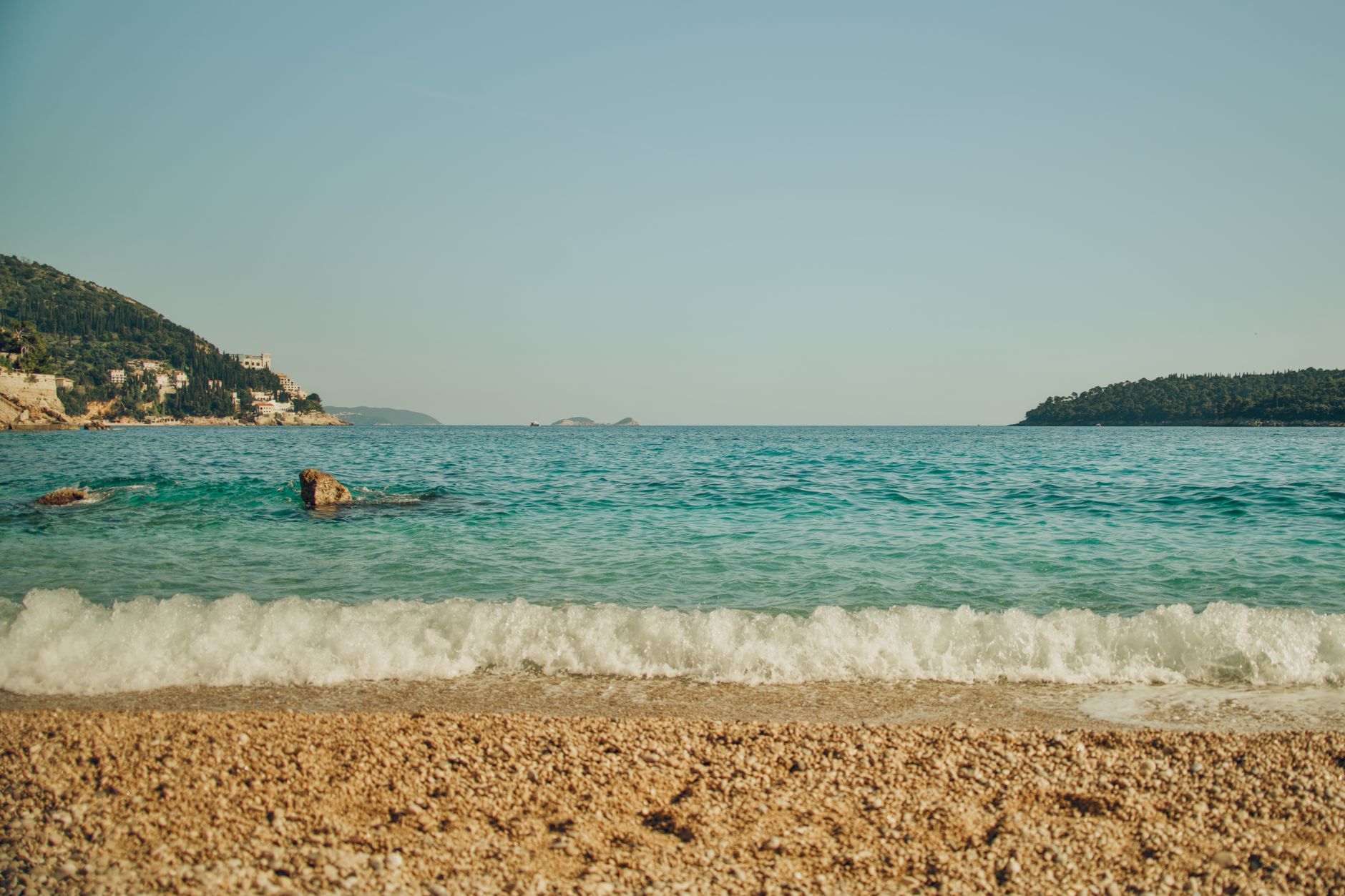
Direct flights from London, Manchester, Birmingham and Edinburgh to Dubrovnik and Split take just two and a half hours, making Croatia as accessible as Spain or Greece. The country joined the eurozone in 2023, which simplifies spending, and English is widely spoken in tourist areas. Croatia's coastline runs for over 1,700 kilometres, dotted with medieval harbour towns, pebble beaches backed by pine forests, and islands that range from party hotspots to peaceful hideaways with barely a soul in sight.
The combination of history, natural beauty and gastronomy sets Croatia apart from more established Mediterranean rivals. Game of Thrones fans will recognise Dubrovnik's city walls, but beyond the screen-famous spots lies a country rich in UNESCO heritage, national parks and vineyard-draped hillsides.
Dubrovnik: The Pearl of the Adriatic
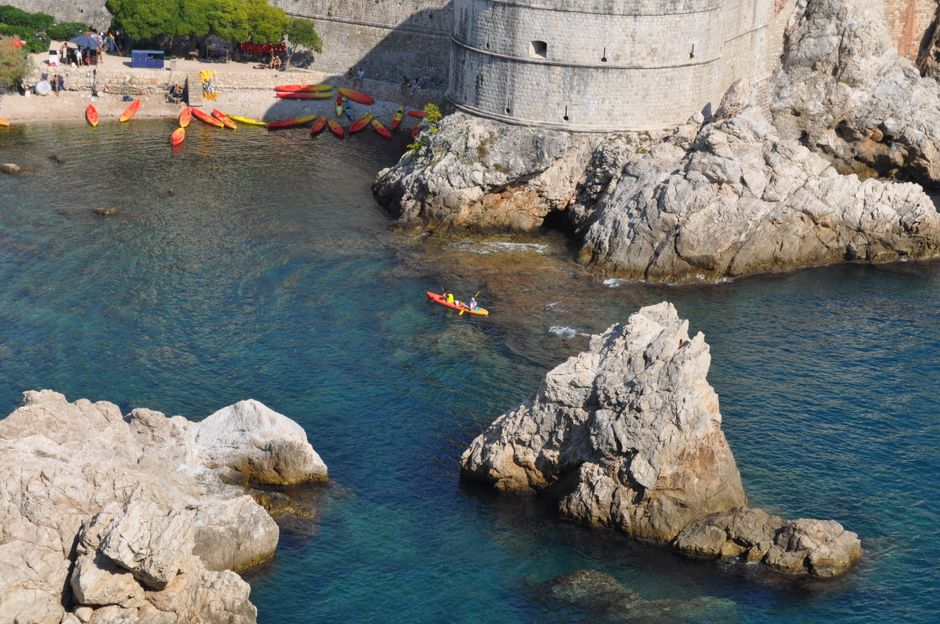
Dubrovnik's old town is one of the most photogenic city centres in Europe. Walk the full circuit of the medieval walls for panoramic views over terracotta rooftops and the shimmering Adriatic. Inside the walls, the Stradun limestone boulevard leads past baroque churches, hidden courtyards and family-run konobas serving fresh seafood and local wine. Take the cable car up Mount Srd at sunset for a view that alone justifies the flight.
Beyond the old town, the Elafiti Islands are a short ferry ride away and offer quiet beaches and excellent swimming. Lokrum Island, just ten minutes by boat, has a botanical garden, a dead sea saltwater lake and resident peacocks. Dubrovnik also serves as the starting point for day trips to Montenegro's Bay of Kotor, one of southern Europe's most dramatic fjord landscapes.
Split, Hvar and the Dalmatian Islands
Split is Croatia's second city and the main gateway to the central Dalmatian islands. Diocletian's Palace, a Roman emperor's retirement home turned living city quarter, forms the heart of the old town. The Riva waterfront promenade buzzes with cafes, and the Green Market sells local cheese, olive oil and lavender products.
- Hvar – Often called the sunniest island in Croatia, Hvar town combines Venetian architecture with a vibrant harbour scene. The lavender fields of the interior, the Pakleni Islands and the hilltop fortress all reward exploration. Hvar suits couples and groups looking for a mix of culture and nightlife.
- Brac – Home to Zlatni Rat, one of Europe's most photographed beaches. This horn-shaped shingle beach shifts shape with the wind and currents, and the turquoise water is perfect for windsurfing and swimming.
- Korcula – A quieter alternative to Hvar, Korcula's medieval old town is ringed by towers and the surrounding coastline is ideal for sea kayaking. The island claims to be the birthplace of Marco Polo and celebrates with an annual festival.
- Vis – The furthest inhabited island from the mainland, Vis rewards visitors with unspoilt coves, the famous Blue Cave and some of the best seafood restaurants on the coast. It was used as a military base until the 1990s, which preserved its natural beauty.

Sailing and Island Hopping in Croatia
Croatia's archipelago of over 1,200 islands makes it one of Europe's top sailing destinations. Gulet cruises, skippered yacht charters and catamaran tours offer ways to explore without needing your own boat. A typical week-long sailing route from Split might take in Hvar, Vis, Korcula and the Makarska Riviera, anchoring in a different harbour each night. These trips combine swimming stops, harbour-town dinners and the freedom to change plans based on weather and mood.
For those who prefer to stay on land, the regular catamaran ferry network connects Split to the main islands in under two hours, making day trips and multi-centre stays easy to arrange. A personal travel consultant can coordinate ferry timetables, hotel transfers and island excursions into a seamless itinerary.
When to Visit Croatia and What It Costs
Peak season runs from late June to early September, with July and August bringing the warmest sea temperatures and the biggest crowds. For the best balance of weather, value and fewer tourists, visit in May, early June or September. Shoulder-season flights from the UK start from around 80 pounds return, and hotel rates drop by 30 to 40 percent compared with August peaks.
A week in Croatia from the UK typically costs between 600 and 2,000 pounds per person depending on accommodation and activities. Boutique hotels in Dubrovnik's old town sit at the premium end, while apartments in Split or on the islands offer excellent value. Eating out is pleasantly affordable: a seafood dinner with wine at a harbourside restaurant costs around 25 to 40 pounds per person. If you are considering a European beach holiday, our guide to Greece and the Greek Islands makes a useful comparison.
Plitvice Lakes and Inland Croatia
Croatia's interior is often overlooked but delivers some of the country's most memorable scenery. Plitvice Lakes National Park, a UNESCO World Heritage Site, features 16 terraced lakes connected by waterfalls and surrounded by dense forest. Wooden boardwalks wind through the park, and the colours of the water shift from emerald to sapphire depending on the minerals and sunlight. It is easily visited as a day trip from Split or Zadar, or as a stop on a road trip between Zagreb and the coast.
Istria, in the northwest, is Croatia's answer to Tuscany. Hilltop towns such as Motovun and Groznjan overlook truffle-rich forests and olive groves. The coastal town of Rovinj is one of the most romantic small towns in the Mediterranean, and the region's wine and food scene is gaining international recognition. For more European city break ideas, browse our dedicated guide.
Frequently Asked Questions
Do I need a visa to visit Croatia from the UK?
UK passport holders can visit Croatia visa-free for up to 90 days within any 180-day period. Croatia is part of the Schengen Area, so the 90-day limit is shared with other Schengen countries.
What currency does Croatia use?
Croatia adopted the euro in January 2023. Credit and debit cards are widely accepted in tourist areas, but carry some cash for smaller restaurants, markets and water taxis.
Is Croatia good for families?
Croatia is excellent for families. The shallow, calm Adriatic waters are safe for children, and many beaches have Blue Flag status. Family-friendly activities include kayaking, cycling, national park visits and boat trips.
How do I get between the islands?
Jadrolinija and Krilo operate regular catamaran and car ferry services between Split and the islands. Journey times range from 50 minutes to Brac to around two hours to Vis. Booking in advance is recommended during July and August.
Can I combine Croatia with other countries?
Croatia pairs perfectly with Montenegro, Slovenia and Bosnia. Day trips from Dubrovnik to Kotor or Mostar are popular, and a travel consultant can build multi-country Balkan itineraries with ATOL protection.
Ready to explore Croatia? Contact a personal travel consultant today for a free, no-obligation quote for your 2026 Croatian holiday.